
US Seeks Financial Support from Arab Nations for Ongoing Conflict
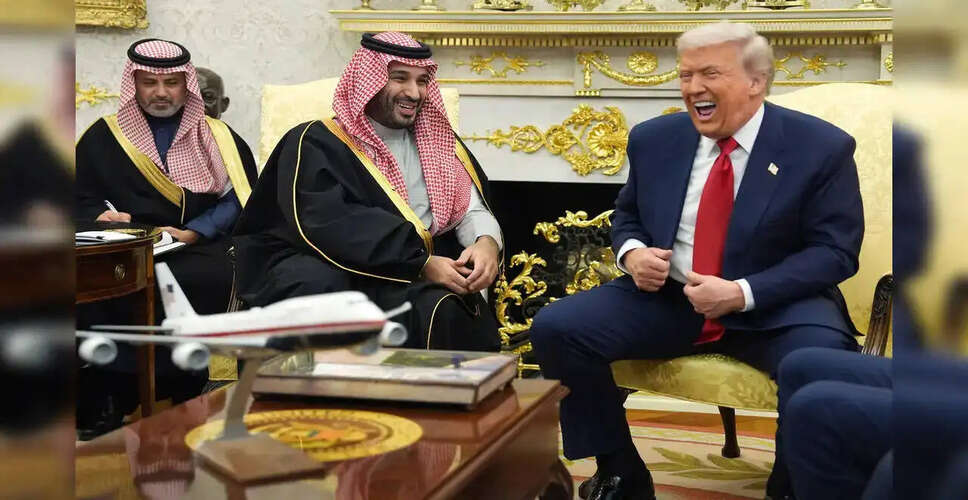
White House Considers Arab Financial Contributions
During a press briefing on Monday, White House spokesperson Karoline Leavitt was asked whether Arab nations should contribute financially to the current military efforts, similar to their involvement during the Gulf War in 1990. She did not dismiss the notion, stating, "I believe the president would be quite interested in reaching out to them regarding this matter," and noted that it was a perspective previously held by Donald Trump, with more details expected to be shared by him soon.
This isn't the first instance of such sentiments, which imply that other nations should bear the costs of wars initiated by the United States. Recently, Sean Hannity, a commentator with known affiliations to Trump, suggested that any ceasefire agreement should mandate Iran to compensate the US in oil for the total expenses incurred during military operations. He stated, "They must agree to repay America in oil for the entire cost of this entire military operation." In contrast, Iran has flipped this narrative, insisting on US compensation for damages caused by the war as a condition for negotiations.
Historical Context of the Gulf War
The Gulf War Precedent
The reference to the 1990 Gulf War is not coincidental. At that time, the US formed a global coalition to expel Iraq from Kuwait, with the financial responsibilities shared among various nations. Regional allies, along with countries like Germany and Japan, collectively contributed $54 billion, equivalent to approximately $134 billion today, to cover the costs incurred by Washington.
However, the current situation is markedly different. The US and Israel initiated military actions against Iran without establishing a coalition beforehand. There was no regional consensus, no allied framework, and no shared financial responsibility from the outset. Expecting nations to contribute after the fact for a conflict they were not consulted about presents a significant challenge.
Financial Implications of the Ongoing Conflict
What Has the War Cost So Far?
Recent figures from Washington indicate substantial costs. Congressional members were informed in a classified session that the initial six days of combat alone amounted to $11.3 billion. By the twelfth day, the Center for Strategic and International Studies estimated the cost to be $16.5 billion. As the conflict enters its 31st day, the actual total is likely to exceed these estimates. To sustain military operations and replenish munitions, the White House is urging Congress for an additional $200 billion in military funding.
Impact on Oil Prices
Pumping Up Prices at the Pump
The financial repercussions of the war extend well beyond the budget discussions in Washington. Iran's closure of the Strait of Hormuz, a vital oil shipping route, has caused significant fluctuations in energy markets. According to the American Automobile Association, the average price of gasoline in the US has surged to over $3.99 per gallon, an increase of more than a dollar since the onset of the conflict.
Leavitt countered concerns that rising prices should alarm Americans, asserting that the administration believes short-term financial discomfort is a necessary trade-off for long-term benefits, particularly in neutralizing what the US perceives as a persistent Iranian threat to its forces and regional allies.
Iran's Perspective
Iran's Version of Events
From Tehran's viewpoint, the narrative is quite different. Iranian officials argue that their nation was the first to be attacked while diplomatic negotiations were ongoing, asserting that they posed no real threat to the US or its neighbors. Since the conflict began, nearly 2,000 Iranians have reportedly lost their lives.
Future of Arab Financial Support
The Bigger Picture
It remains uncertain whether Arab nations will agree to finance a conflict they did not initiate. The Gulf War model was effective because those countries had a vested interest in the outcome and were involved from the beginning. In contrast, the US has proceeded with military actions alongside Israel and is now seeking financial support from others for a conflict that was never put to a vote.