
US Proposes Nuclear Deal to Iran Amid Rising Tensions
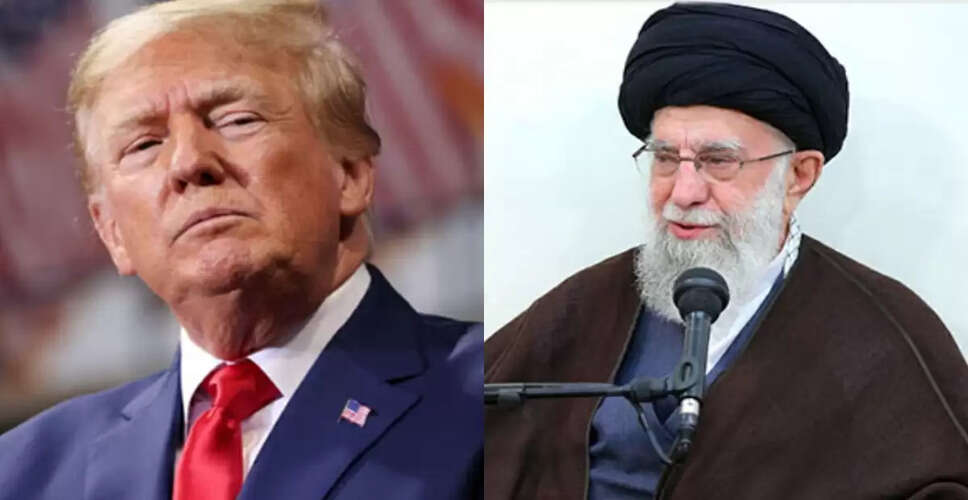
US Proposal for Nuclear Agreement
On May 31, the White House announced that the United States has submitted a proposal to Iran regarding a nuclear agreement between the two countries.
Iran's Foreign Minister, Abbas Araghchi, confirmed the receipt of this proposal and stated that Iran would respond soon, considering its national interests and principles. This proposal follows reports from the International Atomic Energy Agency (IAEA), which indicated that Iran has ramped up its uranium enrichment activities.
Oman’s Role in Delivering the Proposal
Iran clarified that the elements of the US proposal were presented by Oman’s Foreign Minister, Sayyid Badr bin Hamad bin Hamood Albusaidi, during a brief visit to Tehran.
Araghchi expressed gratitude on social media, stating, "My dear brother @badralbusaidi, distinguished Foreign Minister of Oman, paid a short visit to Tehran today to present elements of a US proposal which will be appropriately responded to in line with the principles, national interests and rights of the people of Iran."
Concerns Over Iran's Nuclear Ambitions
White House Press Secretary Karoline Leavitt emphasized that Iran should accept the deal, reiterating President Biden's commitment that "Iran would not acquire a nuclear bomb."
While Western nations have voiced concerns regarding Iran's nuclear program, Tehran insists it has no intention of developing nuclear weapons. Recent discussions among Iranian officials have aimed at finding a mutually acceptable resolution.
Iran's Uranium Stockpile Grows
According to a confidential IAEA report referenced by various agencies, as of May 17, Iran had accumulated 408.6 kg (900.8 pounds) of uranium enriched to 60 percent, making it the only non-nuclear weapon state to reach such levels. This stockpile has increased by nearly 50 percent since the last report in February.
In response to Western demands for Iran to cease uranium enrichment, Foreign Minister Araghchi firmly rejected these requests, describing them as attempts to impose dominance over Iran. He stated, "When the other parties say you must not have enrichment, they are essentially trying to assert a kind of dominance and superiority over us. Under international law, we have the same right as any other country to benefit from peaceful nuclear technology, including enrichment."