
US Navy Intercepts Iranian Cargo Ship in Gulf of Oman

US Forces Seize Iranian Vessel
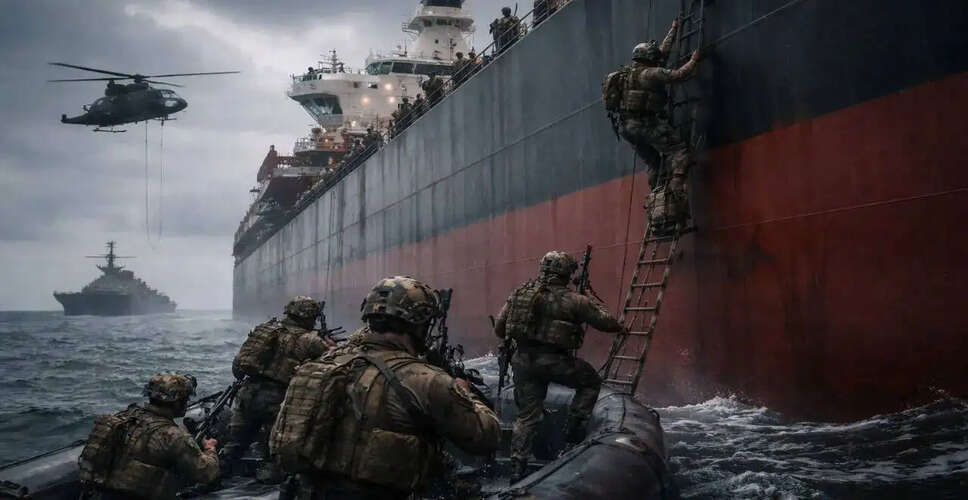
On Sunday, President Donald Trump announced that American forces had captured an Iranian-flagged cargo ship in the Gulf of Oman after it attempted to breach what he termed a US naval blockade. In a social media update, Trump identified the vessel as the Touska, stating it was intercepted by the USS Spruance, a guided-missile destroyer, after it failed to heed multiple warnings to halt. He remarked, "The Iranian crew did not comply, so our Navy vessel stopped them by damaging the engineroom." Trump confirmed that US Marines were now in control of the ship, which had been subjected to US Treasury sanctions due to its alleged history of transporting illegal cargo. He mentioned that American forces had complete custody of the vessel and were currently examining its contents. This incident signifies a significant escalation in maritime tensions. Trump noted that over 20 Iranian ships attempting to navigate through the blockade had been turned away without force in recent days. This marks the first reported instance of a US warship taking direct action to disable and seize a vessel. A report from a major news outlet indicated that the US military was gearing up to board Iranian oil tankers and seize commercial vessels linked to Iran beyond the Middle East.
Details on the Touska
What We Know About Touska
Shipping records reveal that the Touska, an Iranian-flagged container ship, left Port Klang in Malaysia with cargo before nearing the blockade line, where it was intercepted. Constructed between 2007 and 2008, the vessel measures approximately 294 meters in length and is categorized as a Panamax container ship. It has a gross tonnage of around 54,851 and a deadweight capacity of about 66,432 tons. The ship is operated by Rahbaran Omid Darya Ship Management and owned by Mosakhar Darya Shipping Company. Although the Touska is listed under US sanctions, officials have not disclosed the specific cargo it was carrying at the time of the interception. These events highlight the escalating tensions in the Strait of Hormuz, a vital route for global oil transportation, as the US and Iran continue to challenge each other's boundaries at sea.