
US Naval Blockade in Strait of Hormuz: Economic Impact on Iran
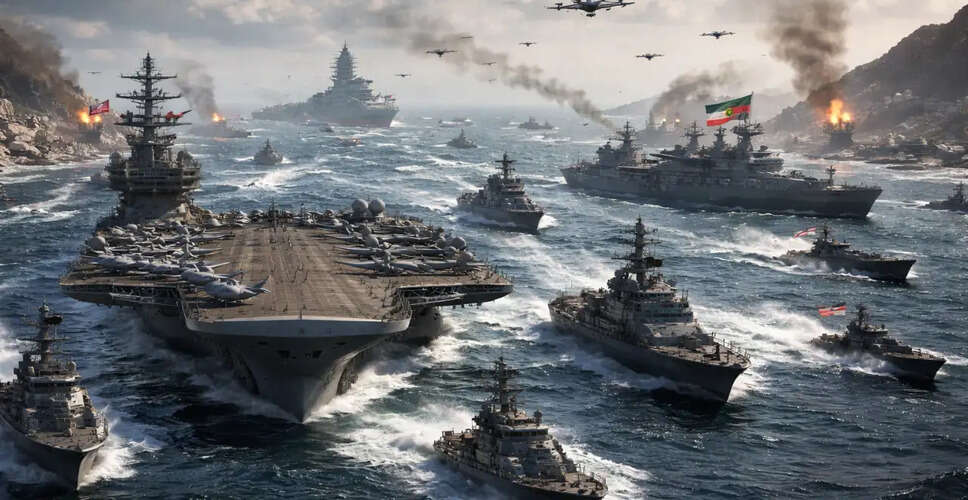

US Imposes Naval Blockade on Iran
Tehran: The United States has initiated a naval blockade in the Strait of Hormuz, effectively limiting all maritime traffic to and from Iranian ports. This strategic move is aimed at crippling Iran's economy, with estimates suggesting that the blockade could result in losses of up to USD 435 million daily for Iran, as reported by The Wall Street Journal. This figure includes approximately USD 276 million in lost exports, predominantly from crude oil and petrochemicals. Miad Maleki, an analyst from the Foundation for Defense of Democracies, calculated this based on Iran's oil exports of 1.5 million barrels per day at a price of around USD 87 per barrel during the ongoing conflict. Notably, around 90% of Iran's exports are believed to have passed through Kharg Island, which was reportedly targeted by US forces last month.
Analysts suggest that the overall economic repercussions of the US naval blockade on Iran will hinge on various factors, such as the effectiveness of US forces in controlling maritime traffic and whether Iran can utilize alternative trade routes. One potential alternative is the Jask terminal, although it has its own limitations.
According to the Wall Street Journal, the immediate financial damages might be offset by oil that Iran already has in transit. As of late March, it was reported that Iran had approximately 154 million barrels of oil floating outside the blockade, based on data from Kpler.
Details on US Naval Assets in the Blockade: The US has enforced this blockade with the deployment of at least 15 warships, including the amphibious assault ship USS Tripoli (LHA 7), which is currently operating F-35B Lightning II stealth fighters and MV-22 Ospreys in the Arabian Sea. The US Central Command confirmed that the blockade commenced at 1400 GMT on Monday, applying to all vessels entering or leaving Iranian ports, including those in the Arabian Gulf and the Gulf of Oman. However, ships departing from non-Iranian ports will not face any restrictions.