
US Military's Covert Operations in Strait of Hormuz Amid Iran Tensions

US Military's Role in Oil Transit
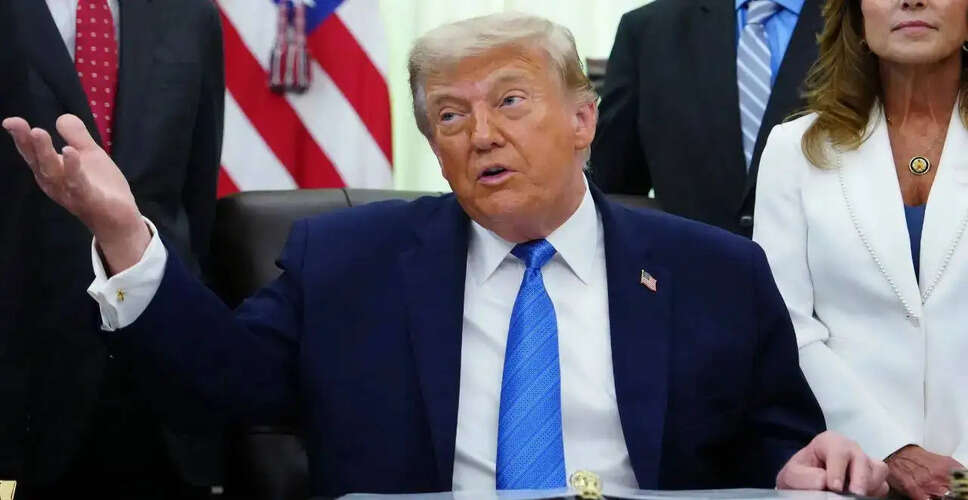
On Wednesday, President Donald Trump revealed that the United States military has been discreetly assisting numerous commercial ships and facilitating the transit of over 100 million barrels of oil through the Strait of Hormuz, amidst escalating tensions with Iran. In a post shared on Truth Social, Trump asserted that this operation has allowed substantial oil volumes to flow through this critical maritime route, despite the disruptions caused by ongoing conflicts. He emphasized, "This highly successful initiative is due to the fact that the UNITED STATES of AMERICA CONTROLS the Strait of Hormuz — NOT Iran," adding that Iran's military is weakened and its economy is struggling.
Earlier that day, Trump informed reporters in the Oval Office that this operation has played a crucial role in averting a drastic spike in oil prices, maintaining them around $90 per barrel, which he argued could have soared above $200 without such measures. The Strait of Hormuz is recognized as one of the most vital energy shipping lanes globally. Prior to the military actions by the United States and Israel against Iran on February 28, approximately 20 million barrels of oil daily — accounting for about 20% of the world's supply — traversed this waterway. However, shipping activity has significantly declined since Iran retaliated by targeting vessels and deploying mines in the region.
Helima Croft, the global head of commodity strategy at RBC Capital Markets, noted in an interview with CNBC that traffic through the strait remains considerably lower than pre-conflict levels. She stated, "The world is losing significant volumes of oil every day." Estimates reported by CNBC indicate that disruptions in the strait have led to a loss exceeding one billion barrels of oil supply, marking it as the largest supply disruption recorded. Analysts from JPMorgan suggested last week that more oil might be passing through the strait than what is reflected in public shipping data. In a note dated June 4, they estimated that around two million barrels per day could be leaving the area on tankers with their transponders turned off.
Despite the ongoing naval blockade and the sharp decline in commercial traffic, JPMorgan analysts observed that unexpected volumes of crude and petroleum products still seem to be moving through the Strait. In May, Trump had announced a mission called Project Freedom, aimed at escorting tankers stranded in the Persian Gulf, although this initiative was later suspended. Nevertheless, US officials indicated that military support for vessels in the region continued. A US defense official clarified last week that American forces were not directly escorting ships through the strait but were instead coordinating with vessels to ensure their safe passage.
US Central Command has previously stated that American forces are tasked with protecting commercial shipping from potential attacks. They reported that recent clashes with Iran began after Tehran launched drones targeting "civilian mariners that were rightfully transiting regional waters." Secretary of State Marco Rubio also informed lawmakers last week about the US response to Iranian assaults on commercial vessels, warning that Iran's drones lack precision and could strike any part of a ship, posing a risk of environmental catastrophe. He stated, "If they don't shoot at those ships, we don't shoot but we have to respond."