
US Military Spending in Iran Conflict Surpasses $27 Billion

Escalating Costs of the Ongoing Conflict
Recent estimates reveal that the United States has allocated over $27 billion to its military operations against Iran, with expenses continuing to escalate just over a month into the conflict. This military engagement commenced on February 28, following coordinated strikes by the US and Israel. Analysts indicate that the current expenditure, approximately $27.95 billion, could have been utilized for significant domestic initiatives. This amount could fund the annual salaries of around 430,131 teachers or provide nearly 232,989 full college scholarships, as per data from a military spending tracker.
In the healthcare domain, these funds could facilitate the establishment of more than 12,500 hospital beds annually, create over 55,000 clean water systems, and construct about 79,000 homes. Additionally, it could finance nearly 7.9 billion school meals for a year.
Current military expenditures are estimated at approximately $10,300 per second, translating to around $37 million per hour, which amounts to nearly $890 million daily. A substantial part of this daily expenditure, roughly $320 million, is allocated for munitions, including advanced weaponry like cruise missiles and precision-guided bombs. Air operations, which encompass fighter missions, bombing runs, and refueling, account for about $245 million each day. Naval deployments, including aircraft carriers and submarines, contribute an additional $155 million daily, while missile defense systems such as THAAD and Patriot batteries add around $95 million. Intelligence and cyber operations cost about $45 million daily.
The remaining $30 million in daily spending covers personnel, logistics, and operational support. These figures are derived from publicly accessible data provided by defense research organizations and analyses from the Center for Strategic and International Studies, along with information released by the US Department of Defense. As the conflict enters its 31st day, total expenditures are anticipated to rise further if military actions persist at the current rate.
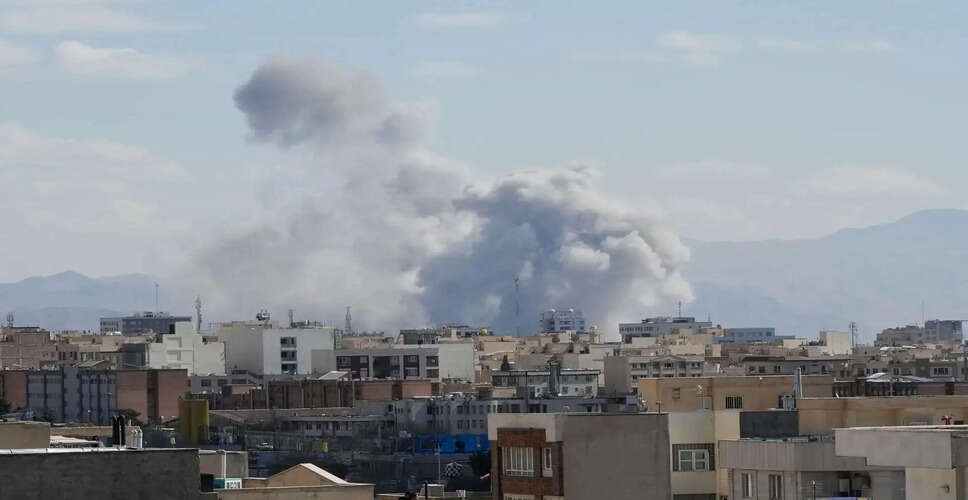
In recent developments, US airstrikes targeted a city housing one of Iran's primary nuclear facilities, resulting in a significant fireball. Concurrently, Tehran attacked a fully loaded Kuwaiti oil tanker in the Persian Gulf. The ongoing war has resulted in over 3,000 fatalities and has severely disrupted global oil and natural gas supplies. As of Tuesday, the average gasoline price in the US exceeded $4 per gallon.
Iran's control over the Strait of Hormuz, a crucial waterway through which a fifth of the world's oil is transported during peacetime, has led to increased global oil prices, exacerbated by Tehran's assaults on regional energy infrastructure. This situation has unsettled stock markets worldwide and raised the prices of many essential goods. On Tuesday, spot prices for Brent crude, the international benchmark, hovered around $106 per barrel, marking a rise of over 45 percent since the conflict began on February 28.
Trump has cautioned that if a ceasefire is not achieved soon and the strait remains closed, the US may expand its military operations, potentially targeting the Kharg Island oil export hub and desalination facilities.