
US Military Intercepts Iranian Oil Tanker: What This Means for Global Maritime Security
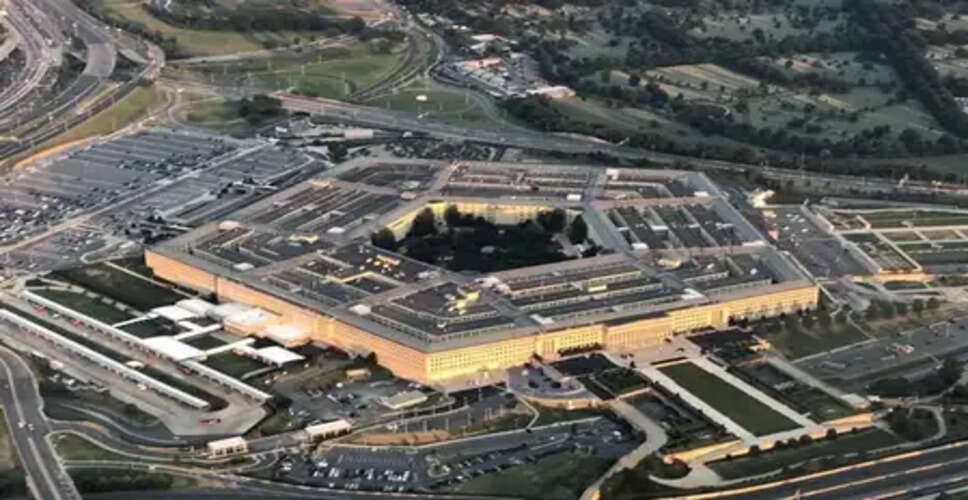

US Forces Board Iranian Oil Tanker
Washington: The Pentagon announced on Tuesday that US forces have boarded an oil tanker previously sanctioned for transporting Iranian crude oil in Asia, marking a significant step in their efforts to monitor vessels associated with Tehran.
The operation, described as a 'right-of-visit maritime interdiction,' involved the boarding of the M/T Tifani, which occurred without any incidents, according to the Pentagon's social media updates.
Captured in the Bay of Bengal, the Tifani was reportedly carrying Iranian oil, as confirmed by a US defense official who requested anonymity due to the sensitive nature of the ongoing military operation.
In the coming four days, the US military will determine the fate of the vessel, considering options such as towing it back to the US or handing it over to another nation.
This action is part of the broader US strategy to curb Iran's influence by targeting any ships linked to Tehran or suspected of transporting materials that could support its government, including weapons, oil, metals, and electronics.
This announcement comes just as a fragile ceasefire between the US and Iran is nearing its expiration, with Pakistan attempting to mediate discussions between the two nations.
Continued US Operations Against Iran-Linked Vessels
This marks the second Iranian-linked vessel intercepted by US forces, following an incident where the US Navy seized an Iranian-flagged cargo ship that allegedly attempted to bypass a blockade of Iranian ports. President Trump stated that an American destroyer had caused significant damage to the ship's engine room.
Targeting Iran-linked ships in international waters
The Pentagon referred to the Tifani as 'stateless,' despite it being registered under the Botswana flag.
In their announcement, the Pentagon reiterated their commitment to global maritime enforcement, aiming to disrupt illicit networks and intercept sanctioned vessels that provide material support to Iran, emphasizing that international waters will not serve as a safe haven for such vessels.
General Dan Caine, chairman of the Joint Chiefs of Staff, indicated that enforcement actions would extend beyond Iranian waters and the jurisdiction of US Central Command, with US forces actively pursuing any Iranian-flagged vessels or those attempting to assist Iran.
He highlighted operations in the Pacific, targeting vessels that departed before the blockade was established outside the strategically important Strait of Hormuz, a vital route for energy and other shipments.
Legal Implications of US Military Actions
The US military's recent actions against Iranian-linked vessels, particularly the attack on the cargo ship Touska, have raised questions regarding the status of the two-week ceasefire.
According to Jason Chuah, a law professor at the City University of London and the Maritime Institute of Malaysia, the situation is complicated by the lack of clear legal guidance on whether the ceasefire has been breached.
The US appears to maintain that the conflict has not fully ceased, allowing for continued enforcement of the blockade and limited military actions at sea.
Conversely, Iran views the ceasefire as a complete halt to hostilities, with its military command labeling the boarding of the Tifani as an act of piracy and a breach of the ceasefire.
Previously, the US had implemented a blockade against sanctioned oil tankers linked to Venezuela but had not engaged in direct fire against those vessels.
Experts suggest that blockades and limited attacks on vessels can be lawful during wartime, particularly if the vessels contribute to military efforts or transport contraband.
The Complexity of Ceasefire Violations
The ongoing dispute hinges on a seemingly straightforward question: Did the ceasefire suspend the right to use force? If it did, then actions like boarding or firing on vessels could conflict with the United Nations Charter.
Mark Cancian, a retired Marine colonel and senior defense adviser, noted that the interpretation of a ceasefire violation is subjective due to the absence of a formal agreement.
Michael O'Hanlon, a defense and foreign policy analyst, argued that the US did not violate the ceasefire, as it was limited to airstrikes against Iran, not maritime enforcement.
He emphasized that the US must uphold the blockade to ensure its effectiveness.