
US Military Intensifies Strikes on Iran Amid Rising Tensions
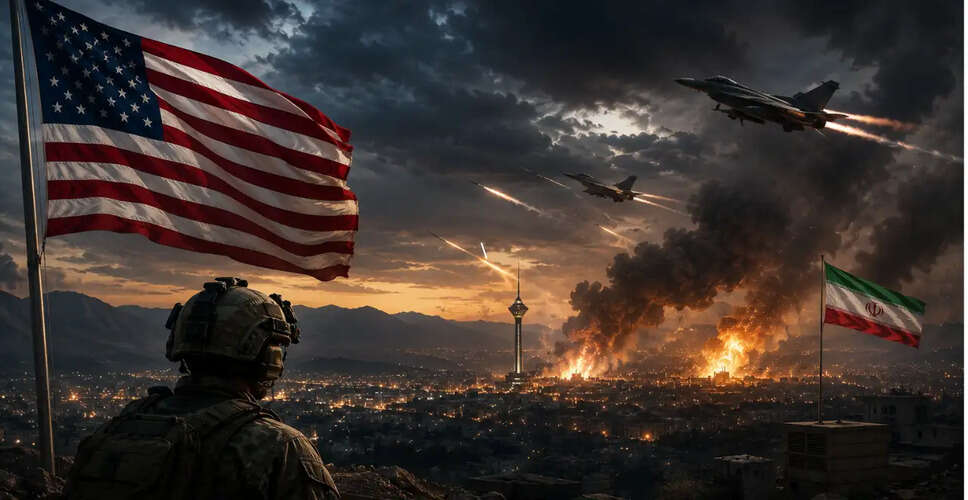

US Launches Additional Strikes on Iran Following Presidential Warning
The United States military has executed strikes against Iran for the second day in a row. This military action follows a warning from President Donald Trump, who indicated a potential escalation in attacks as the international community anticipates a peace agreement. The decision to strike was reportedly influenced by the downing of a US helicopter, coupled with increasing frustration within the White House regarding stalled nuclear discussions, as noted by a senior US official.
New Strikes Announced by CENTCOM
On Wednesday, the Central Command (CENTCOM) confirmed that its forces had conducted "additional self-defense strikes" targeting various locations in Iran. CENTCOM stated that these actions were a direct response to Iran's ongoing and unwarranted aggression. Reports indicate that explosions were heard in areas including Sirik, Qeshm Island, Minab, Isfahan, and Bandar Abbas. In retaliation, Iran has reportedly closed the Strait of Hormuz to maritime traffic, a claim that the US military has disputed. Additionally, the Islamic Revolutionary Guard Corps (IRGC) initiated its first phase of missile and drone operations in response to the US strikes. Earlier, Trump had informed reporters that further strikes were imminent, asserting, "We’re going to hit them again hard today," while also urging Iran to finalize a deal with the US, stating, "we were really close to a deal but they keep tapping us along."
Escalation or Strategic Pressure from Trump?
The recent US strikes and Iran's subsequent retaliation have raised concerns about a potential broader conflict in the region. Despite the military actions, Trump instructed senior aides to communicate a message to Tehran through Qatar, indicating that the strikes were a reaction to the downed Apache helicopter rather than a declaration of full-scale war, according to a report by a major news outlet. The military pressure is expected to persist until Iran agrees to the president’s conditions. However, reports suggest that the US military's actions aim to regain leverage in negotiations with Iran while avoiding steps that could jeopardize the possibility of reaching an agreement.
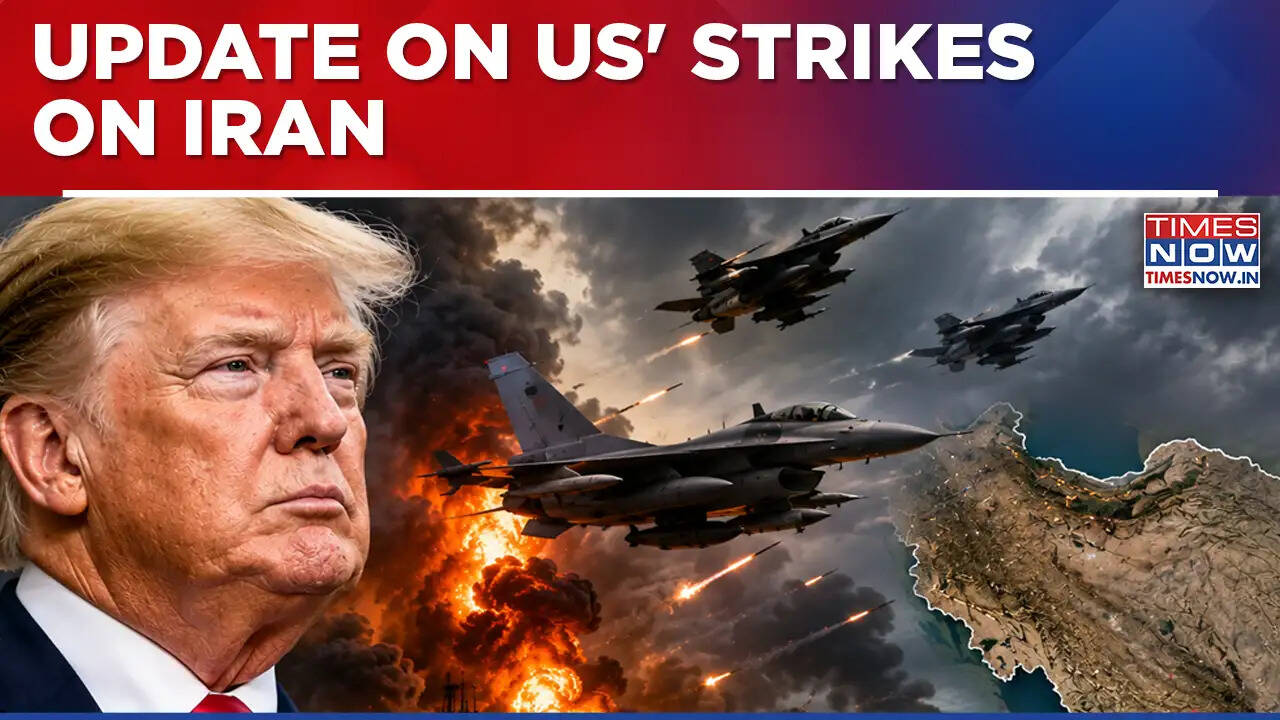
The timing of these strikes is crucial. While US forces are targeting Iranian assets, backchannel diplomacy remains active, with Qatari mediators engaging in discussions in Iran to revive negotiations and address outstanding issues. The pressing question now is whether these military actions will effectively break the current deadlock or exacerbate the crisis, pushing both parties further away from a negotiated settlement and potentially igniting a larger conflict.