
US Military Implements Targeted Blockade in Strait of Hormuz
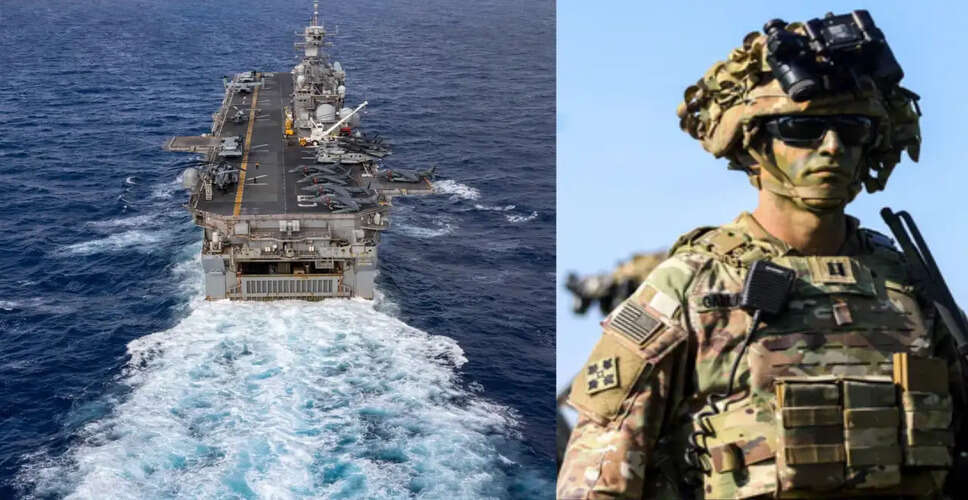

Selective Blockade Strategy Announced
The United States military has outlined its approach to a selective blockade in the Strait of Hormuz, specifically targeting vessels associated with Iran while allowing neutral shipping to continue its passage. In an official communication to mariners, the US military indicated that any ship entering or exiting a blockaded zone without the necessary authorization could be intercepted, redirected, or seized. Importantly, this measure is aimed at Iranian ports and related maritime traffic, meaning that neutral vessels merely passing through the strait to or from non-Iranian destinations will not be impacted.
This strategy seeks to exert economic pressure on Iran by obstructing its oil exports and maritime trade, all while ensuring that the strait remains open for global commerce. The Strait of Hormuz is a critical conduit for oil supplies, and a complete closure could lead to turmoil in the global oil market. The goal of this targeted blockade is to enable US forces to pressure Tehran's oil revenues while minimizing disruptions to international shipping.
US naval forces, particularly the Fifth Fleet, will oversee vessel movements in the region. Ships traveling to or from Iranian ports may receive radio inquiries asking for their intended destination and could be required to present authorization for their planned route. Those who do not comply with these requests or fail to meet other necessary criteria may face boarding, redirection to a friendly port, or seizure.
This notice serves as a caution to seafarers in the area against engaging in business with Iran during this period. It also clarifies to the international shipping community that cargo moving between locations such as Saudi Arabia and India, or the UAE and Europe, via the strait can proceed as long as these vessels do not engage in trade with Iran or pay any unlawful fees imposed by the Iranian authorities.
The implementation of this selective blockade follows weeks of significant disruptions in the strait, including Iranian threats to impose tolls on passing vessels and attacks on commercial tankers. Traffic had already decreased considerably, with many ships avoiding the area due to safety concerns. The US asserts that this action is not aimed at hindering freedom of navigation overall, but rather at preventing Iran from exploiting the strait amid ongoing tensions. The effectiveness of this distinction will rely on clear communication and strict enforcement by US forces.
Currently, the US military's message is clear: vessels linked to Iran will encounter serious repercussions, but the strait remains accessible to all other ships adhering to standard international routes. The upcoming weeks will reveal whether this focused strategy can meet its objectives without escalating tensions in one of the world's most perilous waterways.