
US-Israel Dialogue Sparks Lebanon Ceasefire Talks

Tensions Rise as US and Israel Discuss Lebanon Ceasefire
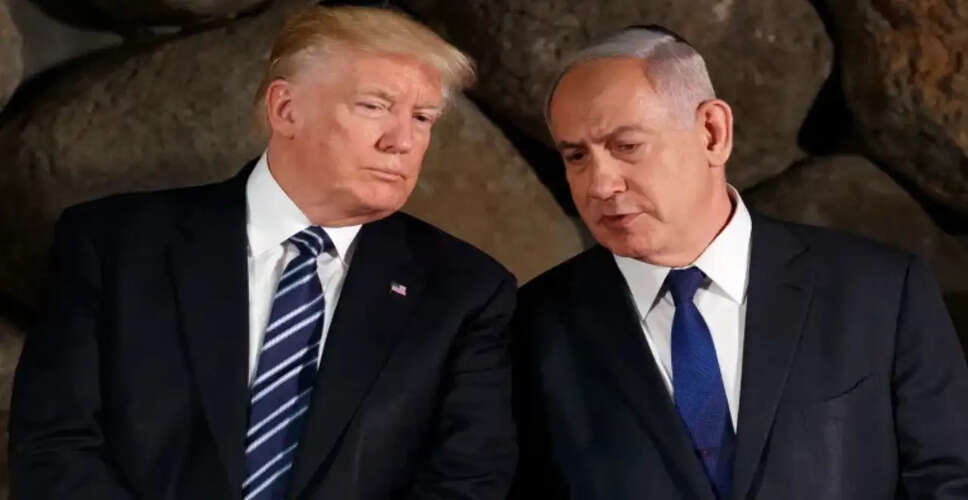
A crucial and tense phone conversation between US President Donald Trump and Israeli Prime Minister Benjamin Netanyahu may have influenced the potential for a ceasefire in Lebanon. According to sources, Netanyahu faced a critical decision: engage in discussions with Lebanon or risk Trump proceeding with his own ceasefire strategy. Shortly after, Israel indicated its willingness to enter direct negotiations as diplomatic efforts for a truce escalated.
On Thursday, Israel announced it had authorized direct talks following a request from Lebanon, although no immediate statement was released after the call. This conversation between Trump and Netanyahu marked at least the third instance this week where Lebanon was a focal point, as reported by sources. Earlier in the week, the two leaders discussed a two-week ceasefire proposal involving Iran, during which Netanyahu advised Trump to keep Lebanon's situation distinct from the Iran-related ceasefire discussions, highlighting ongoing disagreements regarding the framework of regional negotiations.
Direct Negotiations Between Lebanon and Israel Set for Next Tuesday
Lebanese President Joseph Aoun confirmed that direct negotiations with Israel are scheduled to commence next Tuesday. This announcement followed a call between the ambassadors of Lebanon and Israel to the US, along with Washington's ambassador to Lebanon, to outline the terms for the upcoming discussions, which will be mediated by the US State Department.
Beirut is eager to initiate direct talks aimed at concluding the ongoing conflict between Israel and the Hezbollah militant group, preferring a ceasefire arrangement akin to the discussions with Iran. Although Hezbollah has expressed opposition to direct negotiations with Israel, it has yet to comment on the latest developments.
Over the past 40 days of conflict, more than 1,900 individuals in Lebanon have lost their lives due to Israeli airstrikes, with over 1 million people displaced, according to government statistics. Israel's position that the ceasefire with Iran does not extend to its operations against Hezbollah, which has been involved in the conflict supporting Iran, posed a risk to the talks in Islamabad, led by US Vice President JD Vance. On the day the ceasefire was announced, Israel conducted extensive airstrikes on Beirut, resulting in over 300 fatalities, marking the deadliest day in Lebanon since the war began on February 28.