
US-Iran Tensions Escalate with Cyber Attack on Marines
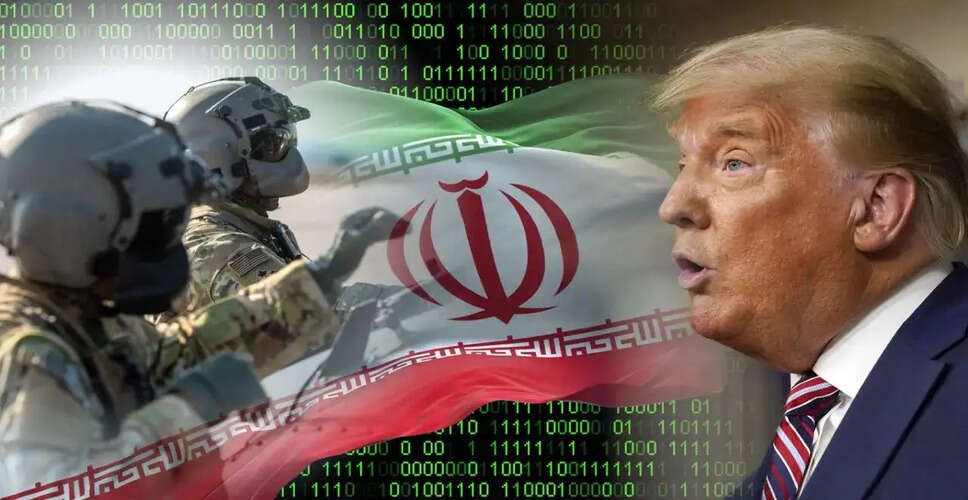

Cyber Warfare Emerges in US-Iran Conflict
A new chapter has unfolded in the ongoing tensions between the United States and Iran, this time in the realm of cyberspace. A hacker group suspected to be affiliated with Tehran has allegedly leaked sensitive information regarding thousands of US Marines. Reports indicate that US officials are currently probing the incident, with preliminary assessments suggesting that some of the exposed data is indeed legitimate. The breach appears extensive, affecting the personal information of over 2,000 Marines stationed in West Asia.
Data Leaks and Threats on Social Media
The hacker collective, referred to as 'Handala' in various regional reports, is believed to have disseminated the leaked information through Telegram channels, showcasing their surveillance capabilities. The data purportedly includes names and personal details of US military personnel deployed throughout the Middle East. Alongside the data release, the group has reportedly sent direct threats to US troops, utilizing platforms like WhatsApp to inform them that they are being monitored and could be targeted, thereby attempting to exert psychological pressure in addition to the data breach.
The group has also claimed to possess further sensitive data, including information about the families, home addresses, and daily activities of US personnel. However, these assertions have yet to be verified, and officials have not confirmed the full scope of the breach.
Geopolitical Tensions Heightened by Cyber Incidents
This incident occurs against a backdrop of escalating tensions in the region, where military and economic confrontations between Washington and Tehran are already in play. Recently, Donald Trump mentioned that Iran had reached out, describing its situation as one of 'collapse' and expressing a desire to reopen the Strait of Hormuz. The cyber breach adds a new layer to this ongoing standoff. Analysts interpret such cyber operations as part of a larger strategy, where state-affiliated actors leverage digital means to enhance traditional pressure tactics, aiming to undermine morale, intelligence, and public perception.
Prior to the U.S. blockade on Iran, 5 ships were moored or anchored in the Iranian port of Chah Bahar on an average day. Today, more than 20 vessels remain in Chah Bahar as U.S. forces cut off economic trade going into and coming out of Iran during the ongoing blockade. pic.twitter.com/eE6vEgsQ8d
— U.S. Central Command (@CENTCOM) April 28, 2026
Simultaneously, the United States has implemented a maritime blockade aimed at curtailing Iran's oil exports, further escalating hostilities. In response, Tehran has linked the reopening of the Strait of Hormuz to the lifting of these sanctions, keeping the region in a state of tension. US defense officials are actively evaluating the breach, concentrating on how the data was accessed and whether other systems might also be at risk.