
US-Iran Peace Talks in Islamabad End Without Agreement
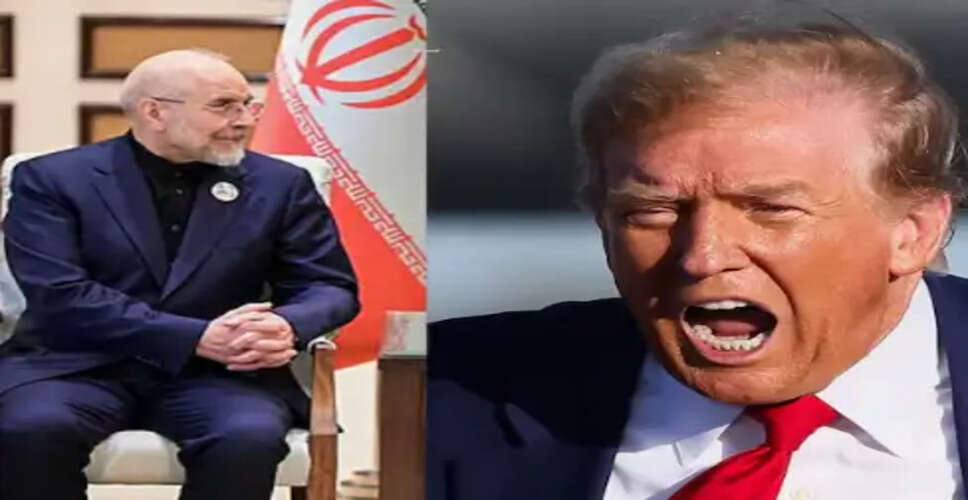

US-Iran Negotiations Conclude in Islamabad
The discussions aimed at ending the conflict between the United States and Iran in Islamabad have concluded without reaching a consensus. Iran has rejected the conditions set by the US, which include issues related to the Strait of Hormuz and uranium enrichment. The US, recognized as a leader in the global economy with a defense budget surpassing Iran's entire economy, stands at a staggering $31 trillion. In contrast, Iran's economy, valued between $404 billion and $464 billion, is grappling with a failing currency and rampant inflation. Despite possessing significant oil reserves, Iran struggles to sell its oil due to sanctions. This raises the question: how can a smaller nation like Iran stand firm against a superpower like the US?
How Does Iran Stand Against the US?
Iran has little left to lose but has much to gain. The longer the war persists, the more economic damage it inflicts on the US. Meanwhile, Iran is tightening restrictions in the Strait of Hormuz, generating substantial revenue. Although Iran has suffered losses among its leaders and citizens, it has found a lucrative revenue model through Hormuz.
What is Iran's Hidden Strength Against the US?
The marathon meeting between the US and Iran lasted 21 hours but ended without results. If you think Iran lost in this negotiation, you are mistaken. Iran strategically concluded the meeting on its own terms, realizing that the Strait of Hormuz is a crucial leverage point. This allows Iran not only to pressure the US but also to control a significant part of the global economy.
US Faces Defeats on Multiple Fronts
The ongoing conflict in the Middle East has put the US on the defensive. By closing the Strait of Hormuz, Iran has brought the heat of war to the White House. Rising oil prices are causing inflation in the US, leading to public dissent against the Trump administration. The US is eager to end this conflict quickly, aware that a prolonged war could jeopardize mid-term elections. The US has already incurred losses exceeding $100 billion due to this war, with oil prices surpassing $4 per gallon. Disruptions in the supply chain are affecting trade, and the risk of recession in the US has increased by 30% to 40%.
What Has Iran Gained from This War?
While Iran has lost lives in this conflict, it has achieved significant economic success. Gulf nations have recognized Iran's strength, enhancing its dominance in the Middle East. Countries like Israel and Saudi Arabia are wary of Iran's growing power. By enduring 40 days of conflict, Iran has positioned itself as a key player among Gulf nations.
Iran Recognizes the Power of Hormuz, Tightening the US Grip
The Strait of Hormuz, previously free, has emerged as a major revenue source for Iran due to the war. Iran is preparing to charge a toll of $1 per barrel for passage through Hormuz, with ships potentially paying up to $2 million. This could allow Iran to generate annual revenues between $70 billion and $80 billion. Without NATO support, the US finds it nearly impossible to act in Hormuz. Iran has recognized this vulnerability and remains steadfast in its demands, understanding that the US's economic lifeline runs through Hormuz.
Relaxation of Oil Sanctions
Iran holds the world's third-largest oil reserves, with 208 billion barrels. However, US sanctions previously hindered its ability to export oil. During the conflict, the US temporarily lifted these sanctions for 30 days, allowing countries like India and China to purchase oil from Iran, boosting its revenue. Iran is now aware of its oil power and aims to maintain this momentum.