
US-Iran Negotiations Show Signs of Progress Amid Ongoing Tensions

Potential Breakthrough in US-Iran Relations
Recent discussions between the United States and Iran suggest a possible breakthrough after a period of stagnation. Although formal peace talks have been hindered by Iran's refusal to engage directly and the cancellation of a trip to Islamabad by US Envoys Steve Witkoff and Jared Kushner, informal diplomatic efforts have continued. Reports indicate that Iran has proposed to ease its control over the Strait of Hormuz. This proposal was introduced by Iran's Foreign Minister Abbas Araghchi during his recent visits to Oman and Pakistan, aiming to resolve the ongoing deadlock, as reported by The Wall Street Journal.
According to the proposal, Iran is willing to reopen the Strait of Hormuz under certain conditions: 1. The US must lift its blockade on Iran and its ports, 2. The US should cease military actions in the Middle East, and 3. Discussions regarding Tehran's nuclear program should be deferred to a later stage of negotiations. However, US officials have expressed skepticism about Iran's offer, as noted by The New York Times.
This proposal was initially highlighted by Axios and subsequently reported by various media outlets. The focus of Iran's new offer is to reopen the Strait of Hormuz following the lifting of the US naval blockade, while also suggesting that nuclear negotiations be postponed. Additionally, it proposes extending the ceasefire, which President Trump has indefinitely prolonged, or reaching a permanent resolution to the conflict.
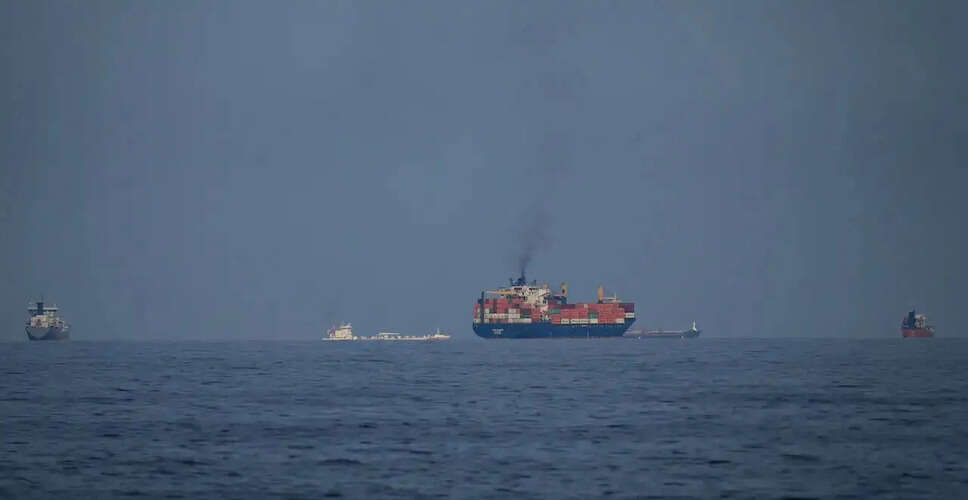
The Strait of Hormuz is a crucial maritime route, linking the Persian Gulf to the Gulf of Oman, through which approximately 20% of the world's oil and liquefied natural gas is transported. When questioned about the proposal, US Secretary of State Marco Rubio remarked on Fox News, stating, “What they mean by opening the straits is, yes, the straits are open, as long as you coordinate with Iran, get our permission, or we’ll blow you up and you pay us.” He emphasized that this does not equate to genuinely opening the straits, as these are international waters that should not be subject to Iranian control or fees.
Regarding the proposal to delay discussions on Iran's nuclear ambitions, Rubio asserted, “There’s no doubt in my mind that at some point in the future if this radical clerical regime remains in charge in Iran, they will decide they want a nuclear weapon.” He reiterated that this fundamental issue must be addressed, as it remains central to the ongoing negotiations.