
US-Iran Negotiations in Pakistan: Hopes for Peace Diminish
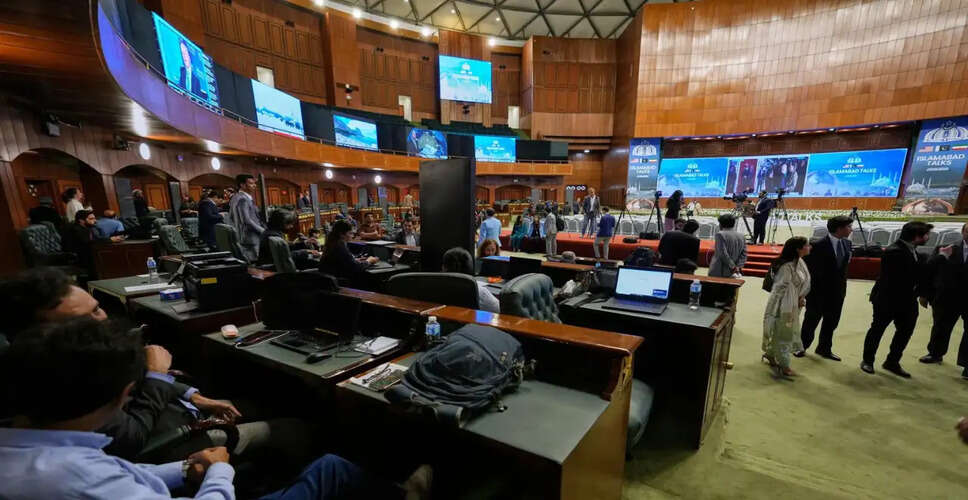

US-Iran Talks in Islamabad: A Fragile Situation
Expectations were high for the recent discussions in Pakistan between the United States and Iran, aimed at reinforcing a ceasefire and potentially ending the ongoing conflict. However, these hopes were swiftly dashed when US Vice President JD Vance delivered disappointing news. Shortly after the delegations from both nations left Islamabad, President Donald Trump declared a blockade of the Strait of Hormuz, which is now in effect. Nevertheless, there are indications that both countries might soon reconvene for further negotiations.
Key Developments
1. Potential for New In-Person Talks
Reports suggest that the US and Iran are considering a second round of discussions, with sources indicating that the timing and location are yet to be finalized. These talks could take place as early as Thursday, as both parties aim to reach an agreement to conclude their six-week conflict before the ceasefire deadline next week. According to two US officials and others familiar with the situation, Islamabad is once again being considered as a possible venue, with Geneva also mentioned.
2. Trump Acknowledges Communication from Iran
President Trump revealed that the US had received a communication from Iran, expressing a willingness to negotiate. Speaking outside the Oval Office, he noted, "We’ve been called by the other side," without disclosing further details about the conversation.
3. Iran's Stance on Future Talks
Iran's envoy, Mohammad Fathali, stated that the country is open to further peace discussions, provided that the US refrains from making "unlawful demands". He emphasized that both sides must be prepared for negotiations to achieve progress. Fathali also warned that Iran is prepared for conflict if necessary, asserting control over the war's duration and scope.
4. Vance's Remarks on Future Negotiations
Vice President Vance, who led the US team in Islamabad, stated that the next steps depend on Iran's willingness to engage. He emphasized the need for Iran to commit to not pursuing nuclear weapons, suggesting that a favorable deal could be reached if both parties are willing to cooperate.
5. Pakistan's Optimism for Future Talks
Pakistan's Defence Minister Khawaja Asif indicated that further negotiations between the US and Iran are anticipated soon, noting that positive progress has been observed in the diplomatic efforts.
Challenges Faced During the Islamabad Talks
The recent 21-hour discussions marked the first high-level talks between the US and Iran since 1979, yet they failed to produce a lasting peace agreement. Vance noted that Iran did not accept the US's terms for concluding the conflict, despite the offer being described as the "final and best". Iran attributed the failure to the US's rigid demands and blockade tactics.
(With Agency Inputs)