
US-Iran Ceasefire: Tensions Rise Over Strait of Hormuz

Temporary Ceasefire Between US and Iran
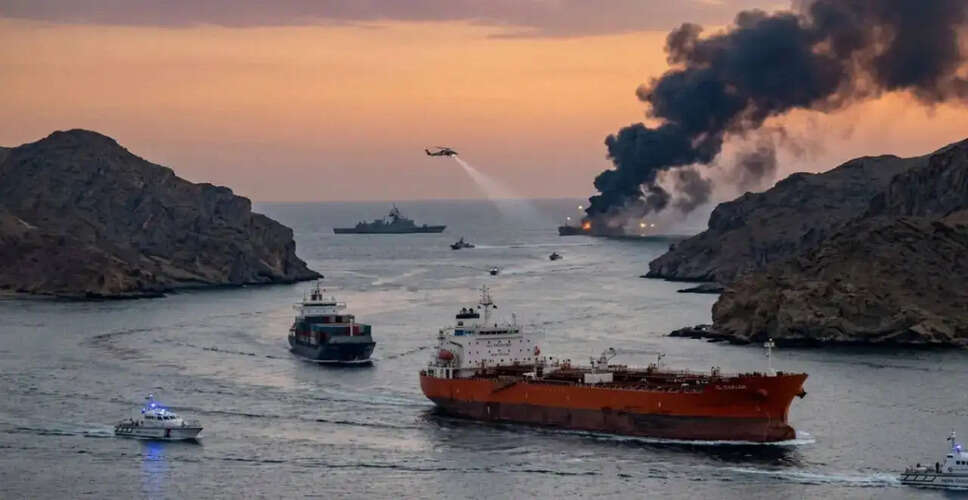
A temporary ceasefire lasting two weeks between the United States and Iran was established just before the deadline set by Donald Trump for Iran to reopen the Strait of Hormuz. Both nations agreed to halt hostilities and plan discussions for a more permanent peace agreement in Islamabad, Pakistan, over the upcoming weekend. Many countries welcomed this ceasefire, expressing hope for the swift reopening of the crucial maritime route. However, reports indicated that Israel continued its military actions in Lebanon, prompting Iran to close the Strait of Hormuz again shortly after it had been reopened.
Iran's Foreign Minister, Seyyed Abbas Araghchi, conveyed a message to Washington via social media, stating that the decision to ceasefire or engage in talks rested with the US. Iran has proposed a toll for vessels passing through the Strait, a demand that has met with resistance from various nations.
Trump's Comments on Hormuz Tolls
Trump's Take on Hormuz Poll
During an interaction with an ABC News journalist, Trump was asked about Iran's proposal to impose tolls on ships traversing the Strait of Hormuz. He suggested the possibility of a joint US-Iran venture to collect these tolls, describing it as a 'beautiful thing.' The journalist later shared Trump's comments on social media, indicating that the idea was being considered as a means of securing the strait.
Contradictions from the White House
White House Contradicts Trump's Statement on Strait of Hormuz Toll
Despite Trump's positive remarks about the tolls, the White House clarified that the ceasefire hinges on the Strait of Hormuz being reopened without any tolls imposed by Iran. The White House Press Secretary emphasized that the reopening must be 'free' of charges, reflecting Trump's earlier statements. Meanwhile, an anonymous regional official indicated that the ceasefire discussions included provisions for Iran and Oman to charge fees for ships passing through the strait.
Trump had previously stated that the agreement was contingent upon the 'COMPLETE, IMMEDIATE, and SAFE OPENING' of the strait, which adds to the uncertainty surrounding the toll situation as numerous vessels remain stranded in the area.
Escalating Violence in the Region
Ceasefire Threatened as Israel Expands Lebanon Strikes
The US has urged Iran to promptly reopen the Strait of Hormuz after it was closed in response to Israeli military actions against Hezbollah in Lebanon. This development raises concerns about the stability of the ceasefire, which was intended to conclude over a month of conflict. Both the US and Iran claimed success in reaching the agreement, while global leaders expressed relief amidst ongoing attacks involving drones and missiles targeting Iran and Gulf Arab nations. Israel has intensified its strikes in Lebanon, resulting in significant casualties, with at least 112 fatalities reported in one of the most devastating days of the ongoing Israel-Hezbollah conflict.
Upcoming Diplomatic Efforts
Vance To Return To US From Hungary Before Heading to Pakistan
The office of Vice President JD Vance announced his return to the US from Hungary, where he was concluding a trip. Details regarding his upcoming visit to Islamabad, where he will lead the US negotiating team alongside Special Envoy Steve Witkoff and Jared Kushner, have not been disclosed.