
US-Iran Ceasefire Agreement: Key Details and Implications

Overview of the Ceasefire Agreement
The United States and Iran have reached a 60-day ceasefire agreement outlined in a Memorandum of Understanding (MoU). Under this arrangement, Iran has committed to dismantling its nuclear program. In exchange, the US will provide $300 billion for reconstruction efforts and will unfreeze $24 billion in foreign assets. Notably, Iran will also be permitted to export oil during this 60-day period.
Insights from Frederick H. Fleitz
Frederick H. Fleitz, vice chair of the America First Policy Institute, shared his thoughts on the MoU during an exclusive interview. He emphasized that this agreement represents a significant victory for the US, highlighting that President Trump has effectively dismantled Iran's nuclear capabilities and diminished its military strength. Fleitz compared this deal favorably to the Joint Comprehensive Plan of Action (JCPOA) established by former President Obama in 2015.
Funding and Challenges Ahead
Fleitz clarified that the $350 billion investment for Iran's reconstruction will not come from the US but rather from Gulf states. He noted the difficulty in ending the conflict, as the Iranian leadership appears unwilling to compromise for the benefit of its citizens. He remarked that the Islamic Revolutionary Guard Corps has shown resistance to the terms of the MoU.
Recent Escalations
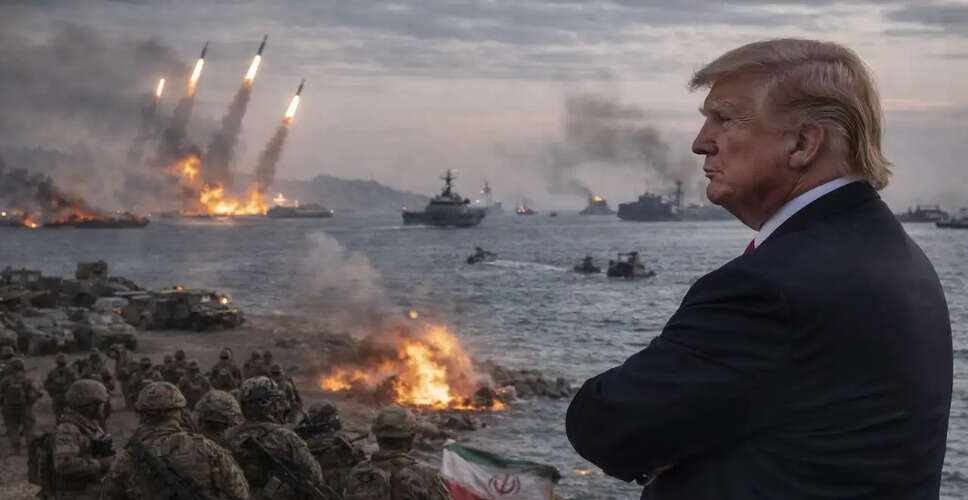
Despite the ceasefire, tensions escalated as Iran reportedly targeted a vessel in the Strait of Hormuz, leading to a retaliatory response from US forces. President Trump issued a stern warning, stating that "Tehran will cease to exist" if provocations continue.
Watch Friedrich H. Fleitz's full interview on Frankly Speaking here: