
US Imposes Maritime Blockade on Iran Amid Rising Tensions

Escalation of Maritime Tensions
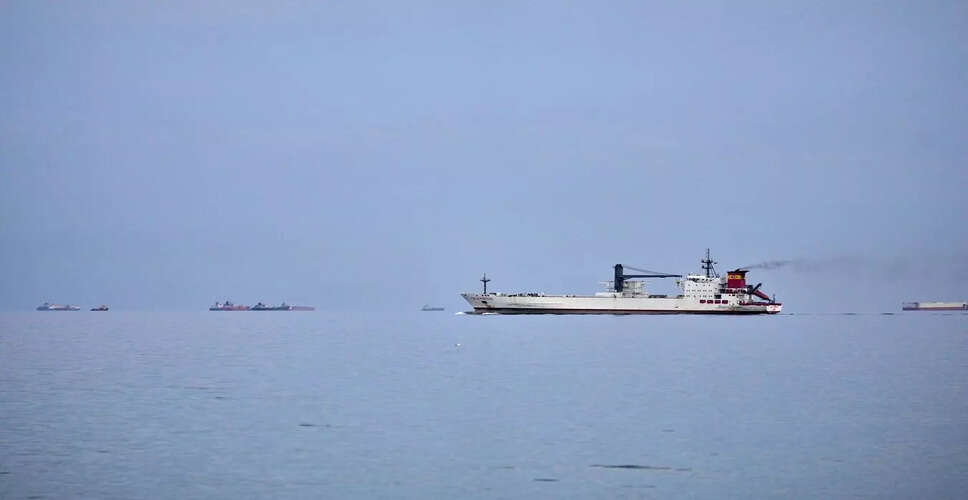
A file image of ships wait offshore in the Strait of Hormuz off Khor Fakkan. (Photo: PTI)
Cairo, Apr 13: The United States has declared a comprehensive maritime blockade aimed at Iran's ports and coastal regions, marking a significant escalation in tensions following the collapse of ceasefire discussions between Washington and Tehran.
The US Central Command (CENTCOM) announced that the blockade will commence on Monday at 10 am EDT (5:30 pm in Iran), affecting all Iranian ports along the Arabian Gulf and the Gulf of Oman.
This action represents a strategic retreat from President Donald Trump's previous threat to completely close the Strait of Hormuz, a vital oil transit route globally.
CENTCOM's statement indicated that the restrictions will apply “impartially against vessels of all nations entering or departing Iranian ports and coastal areas.”
Nevertheless, vessels traveling between non-Iranian ports will still be permitted to pass through the Strait of Hormuz, allowing for some continuity in global shipping operations.
This decision follows extensive ceasefire negotiations between the US and Iran that took place in Pakistan, which ultimately ended without any agreement.
Iranian officials have pledged to respond to the blockade, raising fears of a wider conflict in the region.
Initial reports suggest that the announcement has already impacted maritime operations. According to Lloyd’s List Intelligence, the limited vessel movements that had resumed post-ceasefire have now come to a halt.
Marine tracking data indicates that only about 40 commercial ships have traversed the strait since the ceasefire, a significant decline from the pre-war daily average of 100 to 135 vessels.
The geopolitical ramifications were quickly felt in global energy markets, with oil prices spiking in early trading on Sunday. US crude surged by 8% to USD 104.24 per barrel, while Brent crude, the international benchmark, increased by 7% to USD 102.29. Prices have fluctuated throughout the conflict, rising from approximately USD 70 per barrel before the war to peaks exceeding USD 119, before slightly easing ahead of the latest negotiations.
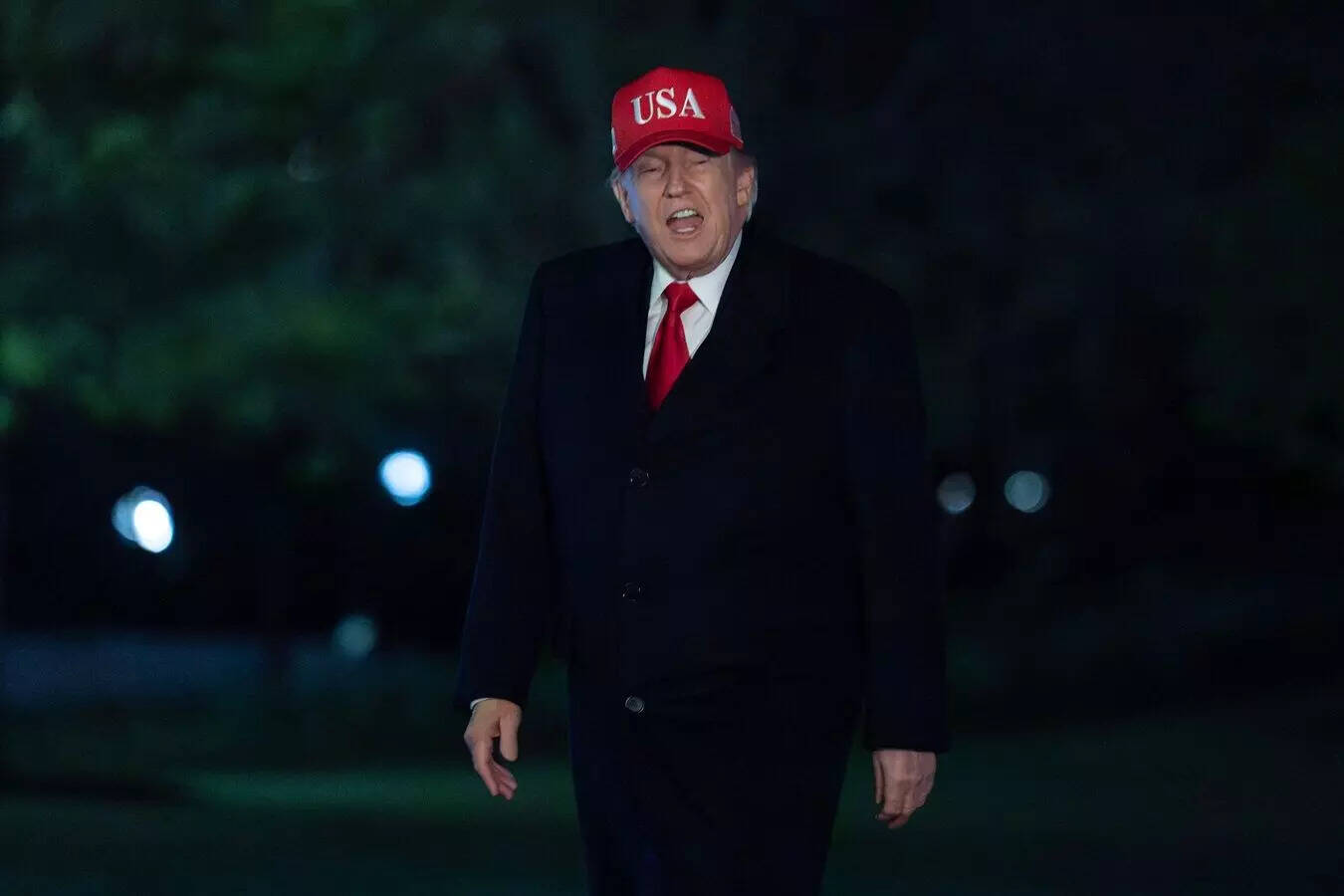
President Trump speaking to the press, on Sunday. (Photo:PTI)
In the midst of this escalating crisis, President Trump has also launched a direct critique of Pope Leo XIV in response to the Vatican's comments regarding the war.
In a series of statements and social media posts, Trump labeled the pontiff as “terrible on foreign policy” and accused him of being “very liberal.”
This criticism followed Pope Leo's warning that a “delusion of omnipotence” was driving the US-Israel military actions in Iran and urged world leaders to focus on negotiations.
While tensions between US administrations and the Vatican are not unusual, such direct and personal attacks from both sides are relatively rare.
After returning to Washington, Trump reiterated his views, stating he was “not a fan” of the Pope and criticized his stance on Iran's nuclear ambitions.
With diplomatic efforts stalled, maritime restrictions tightening, and escalating rhetoric on various fronts, the situation indicates a potentially volatile period ahead, with significant implications for global trade, energy markets, and regional stability.