
US Implements Visa Restrictions on Officials Censoring Free Speech
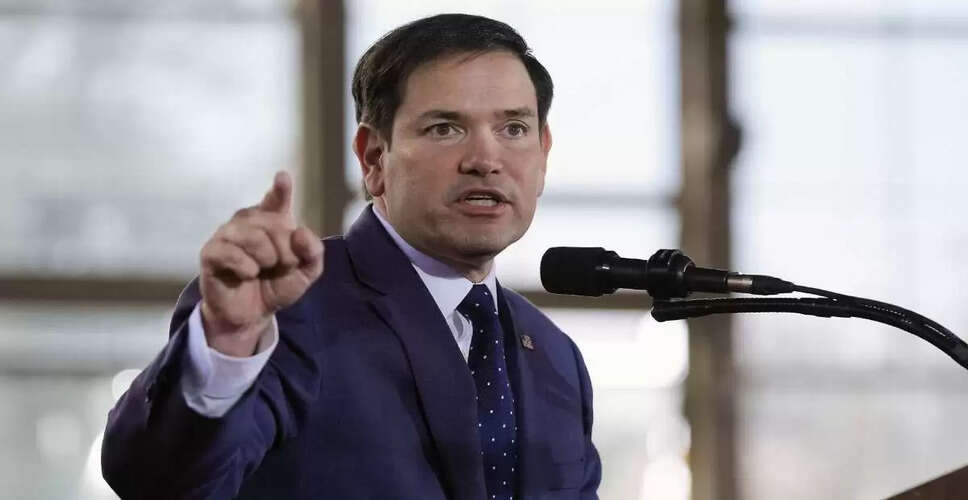
New Visa Restrictions Announced
The United States has introduced new visa limitations aimed at foreign officials accused of suppressing the free speech of American citizens. This move represents a heightened stance by the Trump administration in its ongoing conflict with allies regarding free expression policies.
Marco Rubio Details the New Measures
US Secretary of State Marco Rubio announced these measures, emphasizing that Americans have faced fines, harassment, and even legal charges from foreign authorities for exercising their rights to free speech.
Censorship and Free Speech
In a post on social media platform X, Rubio stated that the restrictions would target foreign officials and individuals complicit in censoring Americans, asserting that free speech is a fundamental right that foreign governments cannot infringe upon.
Rubio's Strong Stance
Rubio remarked, 'Free speech is one of the most valued rights we possess as Americans. This right, protected by our constitution, distinguishes us as a symbol of freedom globally. While we combat censorship domestically, we observe concerning actions by foreign governments against U.S. tech firms and citizens, actions they have no right to take.'
Unacceptable Actions by Foreign Officials
'Today, I am unveiling a new visa restriction policy for foreign nationals responsible for censoring protected expression in the U.S. It is intolerable for foreign officials to threaten or issue arrest warrants against U.S. citizens or residents for their social media activity while they are on American soil,' he added.
Context of Rising Tensions
This announcement comes in the wake of a notable conflict between Elon Musk, the owner of X, and Brazilian Supreme Court Justice Alexandre de Moraes, which stemmed from an order to remove specific posts from the platform. The new measures also coincide with a Republican-backed bill known as the 'No Censors on Our Shores' Act, which received approval from the House Judiciary Committee earlier this year.
Criticism of European Censorship
US Vice President JD Vance has been outspoken against European methods of regulating online content, arguing that the EU's Digital Services Act could impose European-style censorship on American tech companies. At the Munich Security Conference in February, he accused European leaders of stifling dissent by labeling differing opinions as 'misinformation' or 'disinformation.'
Examples of European Overreach
Vance cited various instances of what he views as European overreach, including the UK's prosecution of individuals for silent prayer outside abortion clinics, the annulment of Romania's 2024 presidential election results due to alleged foreign interference, and Germany's surveillance of anti-feminist content online.
Significant Shift in US Diplomacy
He also mentioned the conviction of a Christian activist in Sweden for burning a Quran, warning of a retreat from fundamental values in Europe. The new visa restrictions indicate a notable change in the US diplomatic strategy, with the Secretary of State declaring that 'the era of passive responses to those undermining the rights of Americans is over.'