
US Grants Temporary License for Russian Oil Purchases Amid Iran Conflict
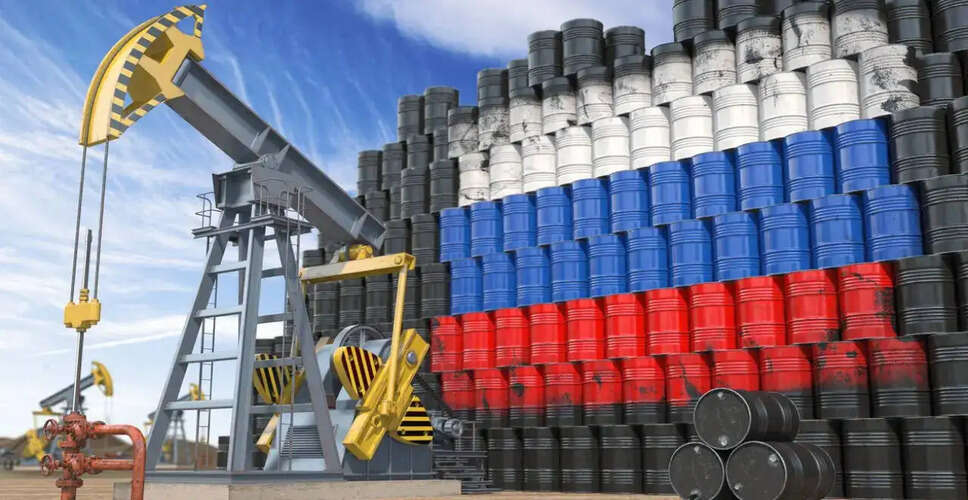
US Issues 30-Day License for Russian Oil Purchases
The United States has authorized a 30-day license allowing nations to acquire Russian oil and petroleum products that are currently stranded at sea. This decision, announced by US Treasury Secretary Scott Bessent, aims to stabilize the global energy market, which has been disrupted by the ongoing conflict in Iran. This announcement follows a surge in oil prices, which have exceeded $100 per barrel due to increased attacks on oil tankers by Iran and the effective closure of the vital Strait of Hormuz.
Iran's Supreme Leader, Ayatollah Mojtaba Khamenei, has indicated that Iran will continue its aggressive stance against Gulf Arab nations, leveraging the closure of the Strait of Hormuz.
Bessent stated on social media that this measure is "narrowly tailored" and intended for the short term, emphasizing that it will not significantly benefit the Russian government financially. He noted, "@POTUS is taking decisive steps to promote stability in global energy markets and working to keep prices low as we address the threat and instability posed by the terrorist Iranian regime." He further explained that this temporary authorization applies only to oil already in transit and will not provide substantial financial gains to Russia, which primarily earns from taxes at the extraction point.
SecScottBessent
2032240591442960393
US Highlights Major Oil Supply Disruption Due to Iran Conflict
Earlier on Thursday, US officials indicated that the ongoing conflict in the Middle East is causing the largest oil supply disruption in history. This announcement coincided with the US Energy Department's decision to release 172 million barrels of oil from the strategic petroleum reserve to combat soaring oil prices resulting from the Iran war. This release is part of a larger initiative by the International Energy Agency, which involves a commitment to release a total of 400 million barrels of oil. Additionally, Trump has hinted at further actions to ease restrictions on sanctioned oil to compensate for the loss of oil supply due to the closure of the Strait of Hormuz.