
US Delegation Led by VP Vance Engages in Critical Talks with Iran in Islamabad

High-Stakes Diplomatic Engagement
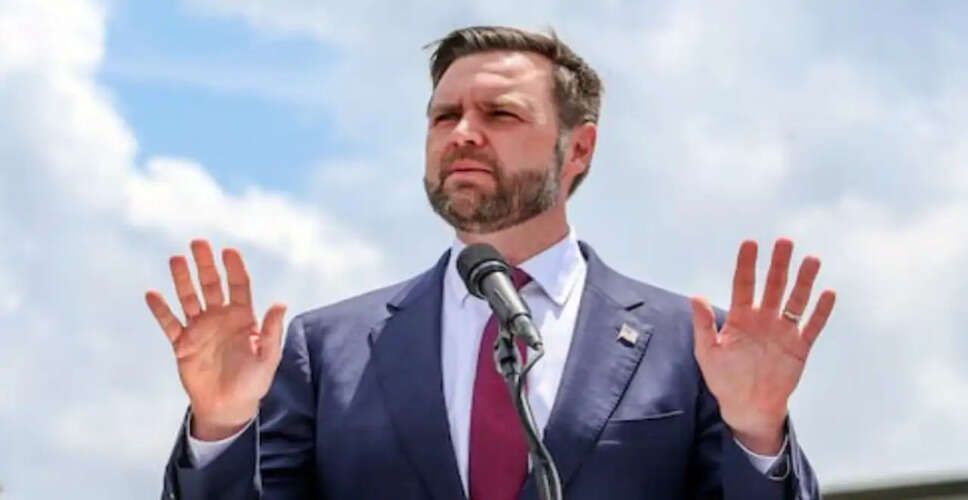
A delegation from the United States, headed by Vice President JD Vance, has landed in Islamabad for crucial discussions with Iran. This visit comes as Washington intensifies efforts to resolve a six-week conflict that has resulted in significant casualties, disrupted global energy supplies, and unsettled financial markets. The choice to send Vance indicates a strategic pivot from technical negotiations to fostering political trust, especially as a fragile ceasefire remains in jeopardy.
The delegation comprises Vance, special envoy Steve Witkoff, and presidential adviser Jared Kushner, with Vance taking a leading role. Reports suggest that Iran prefers to engage with him rather than others. According to sources, Iranian officials have expressed their reluctance to negotiate with Witkoff and Kushner, favoring Vance instead.
This preference is rooted in previous mistrust, as Iranian leaders feel that past negotiations coincided with military escalations, casting doubt on the US's intentions. Vance, perceived as less connected to those military efforts and previously cautious about the war, is regarded as a more trustworthy negotiator.
As highlighted in a report by a major news outlet, Vance had previously cautioned against the conflict, warning that a war with Iran could lead to regional instability and significant casualties. He also pointed out that such a conflict could fracture Trump's political base and be viewed as a betrayal by many voters. Despite his reservations, Vance ultimately supported the decision to engage militarily.
Challenges Facing US-Iran Peace Negotiations
7 Key Obstacles in the US-Iran Peace Talks
- Lebanon Ceasefire Dispute: Iran insists on including a ceasefire in Lebanon in the negotiations, where Israeli actions against Hezbollah have resulted in nearly 2,000 fatalities. The US and Israel maintain that this issue is separate from the talks with Iran.
- Sanctions Relief vs Concessions: Tehran demands the removal of longstanding US sanctions and the release of frozen assets. While Washington is open to some relief, it insists that Iran must limit its nuclear and missile programs in return.
- Control of the Strait of Hormuz: Iran seeks acknowledgment of its authority over this vital oil route and the ability to impose transit fees, while the US insists on maintaining unrestricted access for global shipping.
- War Compensation: Iran is likely to demand compensation for damages incurred during the conflict, a request that the US has not publicly addressed.
- Uranium Enrichment: Iran wishes to continue its uranium enrichment activities, which the US has deemed non-negotiable, with President Trump labeling it as such.
- Missile Program Limits: The US and Israel are pushing for significant reductions in Iran's missile capabilities, which Tehran has declared non-negotiable.
- US Military Presence in the Region: Iran is advocating for the withdrawal of US troops and broader non-aggression commitments, while Washington has stated that its forces will remain until a deal is finalized, warning of potential escalations otherwise.
Despite the diplomatic efforts and Vance's pivotal role, significant gaps persist between the two sides on nearly all major issues. The success of these discussions in overcoming entrenched positions or merely extending the timeline now depends on the ability to rebuild trust that has repeatedly faltered.