
US Claims Victory in Iran Conflict Amid Rising Tensions
US President Declares War Victory
On Tuesday, President of the United States, Donald Trump, asserted that the US has emerged victorious in the conflict with Iran, dismissing contrary reports as mere “fake news.”
US Secretary of War Pete Hegseth remarked that “never in history has a modern military…been so rapidly and historically obliterated.”
As of now, there has been no official response from Iran regarding these claims.
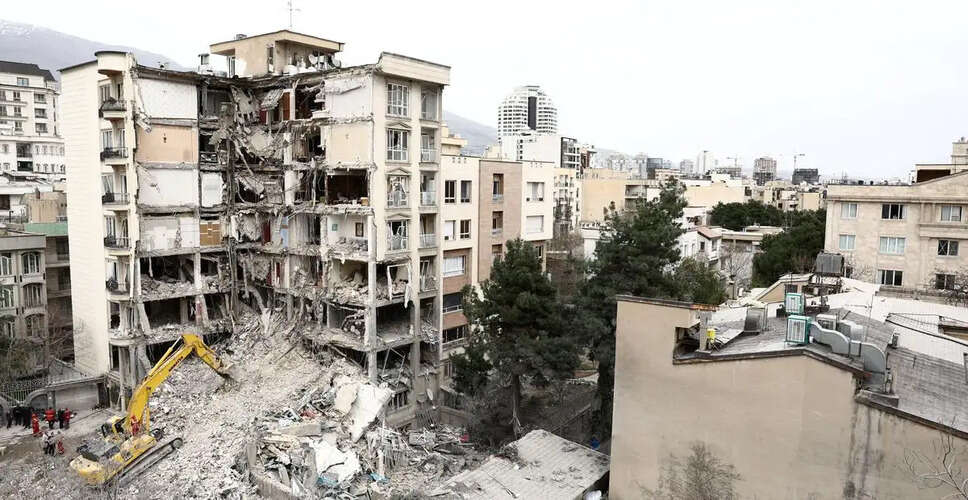
According to Iranian sources, at least 12 individuals lost their lives and 28 were injured due to an “enemy attack” in Varamin, a residential area in southern Tehran, as reported by the Iranian Fars News Agency.
Since the onset of hostilities following an attack by the US and Israel on February 28, Iran has reported over 1,500 fatalities and more than 18,550 injuries.
Key Updates from the Ongoing Conflict
Here are more significant developments from the West Asia conflict:
- Trump reiterated that the US has won the war in Iran, stating, "There won’t be any nuclear weapons. Iran has agreed to that.” This statement came shortly after he instructed the Department of War to delay military strikes on Iranian energy facilities for five days, citing “good and productive conversations” with Tehran. However, Iran contended that it was the US president who retreated after realizing the potential impact on all power plants in West Asia.
PRESIDENT TRUMP: The war in Iran has been won.
— Department of State (@StateDept) March 24, 2026
The only one that likes to keep it going is the fake news. pic.twitter.com/pAYfeglpzJ
- A drone attack targeted a fuel tank at Kuwait International Airport, resulting in a fire but no casualties, as reported by the Civil Aviation Authority of Kuwait. Emergency protocols were activated, and firefighting teams responded promptly, with initial assessments indicating only material damage.
- Indian Prime Minister Narendra Modi announced that he had a “useful exchange of views” with President Trump regarding the situation in West Asia. Modi emphasized India’s support for de-escalation and the importance of keeping the Strait of Hormuz open and secure for global trade.
- Since the conflict began, Iran has effectively restricted access to the Strait of Hormuz for most international commercial vessels, a crucial maritime route for approximately 20% of the world’s oil supply. The International Energy Agency has indicated that the ongoing fighting has led to the “largest supply disruption” in the history of the global oil market.
Background of the Conflict
The conflict escalated on February 28 when the US and Israel launched an attack on Iran, citing Tehran’s actions as a direct threat to Israel’s existence. The US has positioned itself as a protector of Israeli security. In retaliation, Iran has targeted Israeli and US military installations in the region, as well as major cities in Gulf nations and various maritime vessels.
Israel has expressed concerns that Iran is nearing the capability to develop a nuclear weapon, which could significantly alter the security dynamics in the region. Iran, on the other hand, has consistently maintained that its nuclear ambitions are solely for peaceful purposes.