
US-China Bilateral Meeting Highlights Economic Cooperation and Energy Security
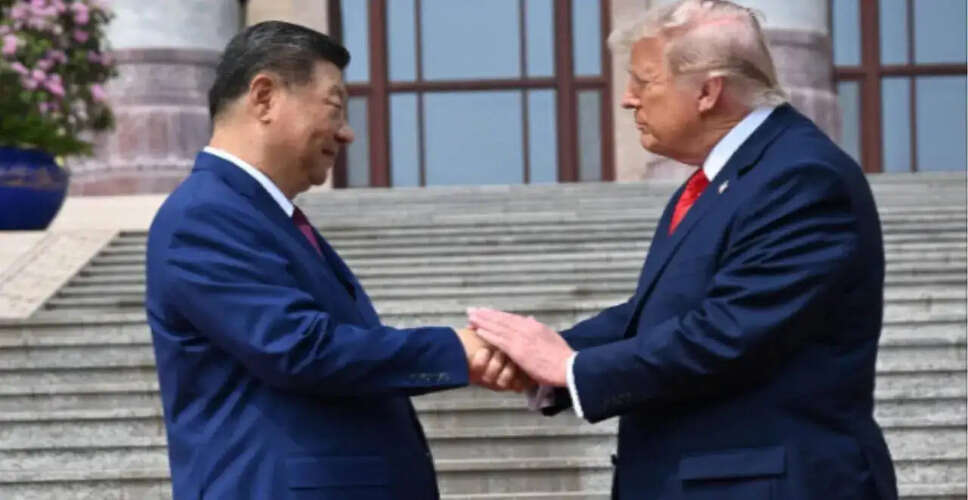

Key Outcomes from the US-China Meeting
On Thursday, the White House shared insights from a significant bilateral meeting between US President Donald Trump and Chinese President Xi Jinping held in Beijing. The discussions were characterized as “productive” and aimed at enhancing economic collaboration between the two leading global economies. The official statement indicated that both leaders explored ways to improve market access for American firms in China while encouraging increased Chinese investments in various US sectors. Notably, executives from several prominent American corporations were present, highlighting a strong interest in fostering US-China economic relations.
The agenda also included addressing the ongoing fentanyl crisis, with both parties acknowledging the necessity to further restrict the influx of fentanyl precursors into the US. Washington has consistently urged Beijing to implement stricter regulations on illegal chemical exports associated with the opioid crisis.
From the Bilateral Meeting in Beijing:President Trump had a good meeting with President Xi of China. pic.twitter.com/WaH8hR1ZV3
— The White House (@WhiteHouse) May 14, 2026
Another significant point of discussion was global energy security, particularly concerning the Strait of Hormuz. The White House noted that both leaders concurred on the importance of keeping this strategic waterway open to maintain steady global energy supplies. President Xi reportedly voiced his disapproval of militarizing the Strait and any proposals for imposing tolls on its usage. Furthermore, China expressed interest in increasing its purchases of American oil to lessen its reliance on the Strait in the future.
Interestingly, the meeting also revealed a rare alignment on the issue of Iran, with both leaders agreeing that Tehran should never possess nuclear weapons, as stated by the White House. In a cultural exchange, China’s Xinhua News Agency reported that Trump was impressed by the enduring beauty of the Temple of Heaven, which has stood for over 600 years, reflecting the rich heritage of Chinese architecture. Xi remarked that ancient Chinese emperors conducted ceremonies at the temple to pray for national peace and prosperity, emphasizing the traditional belief that a stable state relies on a solid foundation of its people.
Trump reminisced about his visit to the Forbidden City in 2017, as reported by Xinhua. These discussions occur amid shifting geopolitical dynamics, heightened concerns regarding energy security in West Asia, and renewed efforts by both Washington and Beijing to stabilize their historically strained relations following years of trade conflicts and strategic competition.