
US Arms Sales to Middle East Allies Amid Ongoing Tensions with Iran

US Moves to Strengthen Middle East Alliances
As negotiations between the United States and Iran remain stalled and a delicate cease-fire hangs in the balance, the Trump administration has taken steps to bolster its Middle Eastern allies by approving arms sales worth over $8.6 billion. This decision was made without congressional approval, as the State Department announced a series of emergency arms transactions aimed at Israel, Qatar, Kuwait, and the United Arab Emirates.
Secretary of State Marco Rubio authorized these deals under an emergency provision that permits immediate arms transfers, bypassing the usual congressional review process. This marks the third instance of the administration utilizing this authority since the onset of hostilities with Iran.
Details of the Arms Package
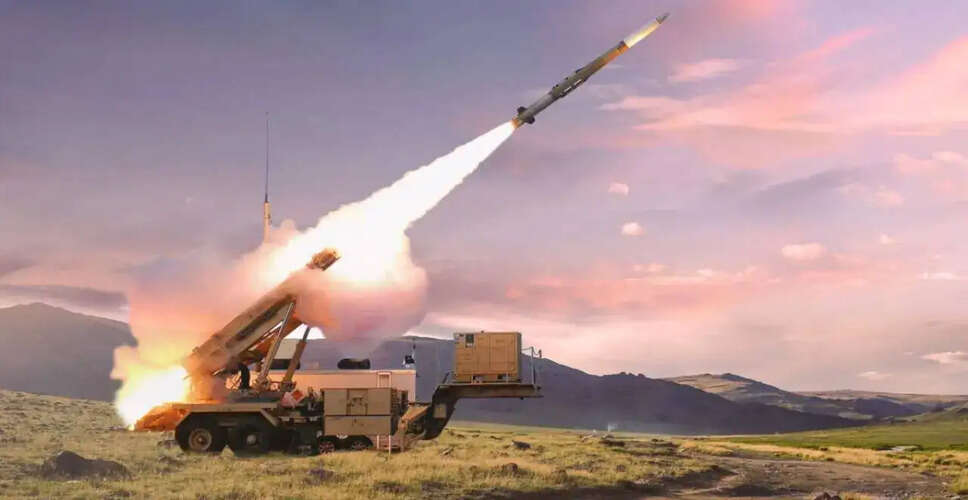
The arms package includes various military equipment for the four nations involved. Qatar stands out as the largest recipient, committing over $4 billion for American-made Patriot missile interceptors, which have seen increased demand due to the ongoing conflict with Iran. Kuwait is set to acquire an advanced aerial defense system valued at approximately $2.5 billion.
Additionally, Israel, Qatar, and the UAE will each receive the Advanced Precision Kill Weapon System, designed to launch laser-guided rockets with high precision. These Gulf nations have faced numerous Iranian drone and missile attacks, making the enhancement of their air defense capabilities a critical priority.
Congressional Bypass and Legislative Concerns
Rubio invoked an emergency clause under Section 36(b) of the Arms Export Control Act, which allows the Secretary of State to expedite arms sales when national security necessitates immediate action. The State Department provided separate justifications for each country involved, using similar language in their statements.
Democratic lawmakers have expressed their opposition to this decision, echoing concerns raised during previous instances when the administration bypassed Congress for arms sales. Critics argue that such actions undermine legislative oversight, especially during an ongoing conflict where the future of peace negotiations remains uncertain.
Concerns Over Depleting Stockpiles
While the figures associated with these arms sales are significant, they mask a more complex issue. The production of large quantities of missile interceptors and precision munitions is a lengthy process, and the current pace of manufacturing has raised alarms in Washington. Some Pentagon officials have voiced concerns about diminishing US stockpiles, warning that supplying allied nations reduces the availability of weapons for American forces. The timeline for when the equipment from these recent deals will actually arrive in the region remains uncertain.
Current State of Cease-Fire and Negotiations
A cease-fire involving the US, Israel, and Iran was established last month, halting active hostilities. However, efforts to reach a permanent agreement have encountered significant obstacles. The two parties appear to be at an impasse, particularly regarding Iran's nuclear program, with neither side showing signs of compromise.
Trump expressed dissatisfaction with Iran's latest proposal, coinciding with reports from Iranian state media that negotiators had submitted an offer. He has repeatedly threatened to target Iranian civilian infrastructure, including power plants, should Tehran fail to comply with his demands. Legal experts have characterized such potential strikes as war crimes, according to reports.
Wider Implications of the Arms Deals
The arms transactions approved on Friday underscore that the US is not retreating from its military commitments in the region, regardless of how the eventual resolution unfolds. By resupplying allies who have endured Iranian missile attacks, Washington signals its intent to maintain a significant presence in any future security arrangements in the region. The impact of this stance on the peace process remains an unanswered question.