
US and Israel Consider Special Forces Deployment in Iran Amid Ongoing Conflict
Potential Deployment of Special Forces
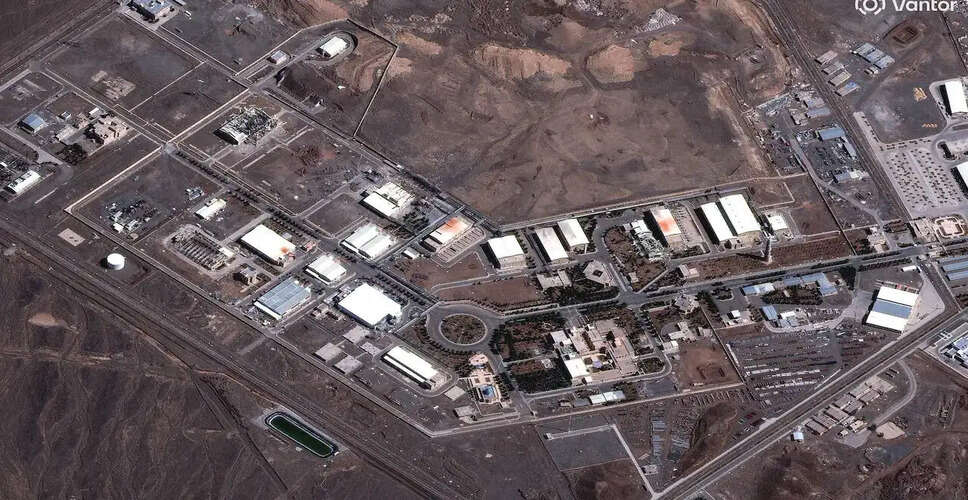
According to a report from Axios, Israel and the United States are contemplating the deployment of special forces in Iran to safeguard its nuclear facilities and protect its stockpile of highly enriched uranium. This action may be considered at a later stage in the ongoing conflict in Iran. This development follows a stern warning from US Secretary of War Pete Hegseth via CENTCOM, stating, "If you kill Americans, if you threaten Americans anywhere on Earth, we will hunt you down without apology and without hesitation, and we will kill you."
Hegseth's Warning and Military Footage
What Pete Hegseth Warned Via Central Command
Accompanying this serious warning was a 21-second video showcasing the military's operational reach, featuring unclassified images of vehicles and structures targeted by US forces in recent missions. Hegseth's comments resonate with assertions made by US President Donald Trump, who claimed that the United States has effectively neutralized the entire Iranian leadership, describing these military actions as the removal of a significant "cancer" from the global arena.
Trump's Confidence in Military Operations
Trump Says US Is Winning War Against Iran
While traveling to Miami aboard Air Force One, Trump expressed confidence in the progress of the military campaign, stating, "We're winning the war by a lot. We've decimated their whole evil empire. It'll continue, I'm sure, for a little while. The war itself is going unbelievably. It's as good as it can be." He elaborated on the strategic military achievements, claiming that the offensive has effectively dismantled Iran's maritime and aerial capabilities, stating, "We've wiped out their (Iranian) navy, 44 ships. We've wiped out their air force, every plane. We've wiped out most of their missiles."
Iran's Offensive Capabilities Diminished
Iran's Capability To Launch Attacks Curtailed, Claims Trump
Trump further asserted that Iran's ability to launch offensive strikes has been significantly reduced. He noted, "You see the missiles aren't coming much anymore. We've also hit their manufacturing areas where they make the missiles very hard. Their drone capacity is way down, and we've hurt them where it hurts, including about every form of leadership you can have; we've wiped out." In response to reports about the bombing of an elementary school in Iran, he denied any American involvement, attributing the incident to Iranian military inaccuracies.
Future of Military Operations
What Trump Said on Expansion of Iran War
When asked about the expected duration of the military mission, Trump refrained from providing a specific timeline but emphasized that the Iranian military is on the brink of collapse. He stated, "I never project time, whatever it takes. But the (Iranian) military is almost nonexistent." He also highlighted the extensive damage inflicted on Iran's industrial infrastructure supporting its military operations.
Diplomatic Solutions Still Possible
Is US Looking To Resolve Iran War Diplomatically
US Special Envoy Steve Witkoff mentioned that a diplomatic resolution remains a possibility, although it ultimately depends on the White House's decisions. He noted that previous negotiations were complicated by Tehran's unwillingness to compromise. Witkoff remarked, "They didn't seem to be very amenable in that first set of negotiations. They bragged about having 60 percent enriched fuel, enough for 11 bombs."
Iran's Retaliatory Actions
Tehran Continues To Target Gulf Nations
Following a joint US-Israel military operation that resulted in the death of Supreme Leader Ayatollah Ali Khamenei, Tehran has launched a significant retaliatory campaign, targeting US assets and regional allies, including Israel and several Gulf nations. The Israel Defence Forces (IDF) have reported conducting targeted strikes against Iranian military assets in Tehran, claiming that these operations significantly damage the military infrastructure of the Iranian regime.