
US and Israel Conduct Joint Strikes on Iran Amid Rising Tensions
Escalation of Military Actions
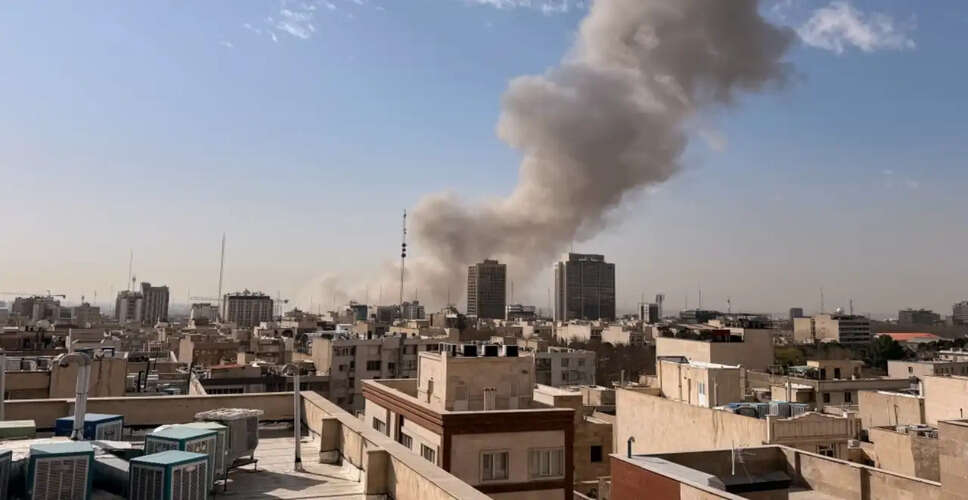
On Saturday, the United States and Israel executed coordinated strikes against Iran, escalating military tensions in the Middle East and diminishing prospects for a diplomatic resolution to the ongoing nuclear conflict with the West. This military action coincides with a significant buildup of US forces in the region, which includes a large array of fighter jets and naval vessels aimed at pressuring Iran into negotiations. It remains uncertain whether Iran will retaliate immediately, although previous warnings indicated that US military bases in the region could be targeted.
Targets of the Strikes
Reports from Israeli media suggest that senior Iranian officials were among the intended targets, including the office of Supreme Leader Ali Khamenei, located in central Tehran. However, it has been reported that Khamenei was not present in Tehran at the time and had been moved to a secure location. Following the explosions, authorities closed off access to Khamenei’s compound.
Israel's Emergency Measures
As explosions were reported in Tehran, Israel announced a preemptive strike against Iran. The full extent of US involvement remains unclear. In response, Israel declared a state of emergency nationwide, with sirens sounding across the country. The Israel Defense Forces (IDF) urged citizens to remain near bomb shelters and avoid unnecessary travel, while schools and workplaces were closed, except for essential services.
Iran's Response
In light of the strikes, Ebrahim Azizi, head of the Iranian Parliament's National Security Committee, issued a stern warning via social media, stating, "We warned you, and now you have embarked on a path whose end will not be in your hands." Iran has previously indicated that any military action would lead to retaliation against US bases in the region.
Trump's Remarks Prior to the Strikes
Before the strikes, US President Donald Trump characterized Iran as "very difficult" and "very dangerous" during a speech in Texas. He emphasized the need for a "meaningful" agreement with Tehran, reflecting on past military actions against Iran's nuclear capabilities. Trump expressed a desire for peaceful resolutions but acknowledged the challenges posed by Iran's actions, stating, "We have a country that's been for 47 years blowing people's legs off, arms off, and the face." He also commented on the uncertainty surrounding potential regime change in Iran following US military actions.