Overview of the Agreement
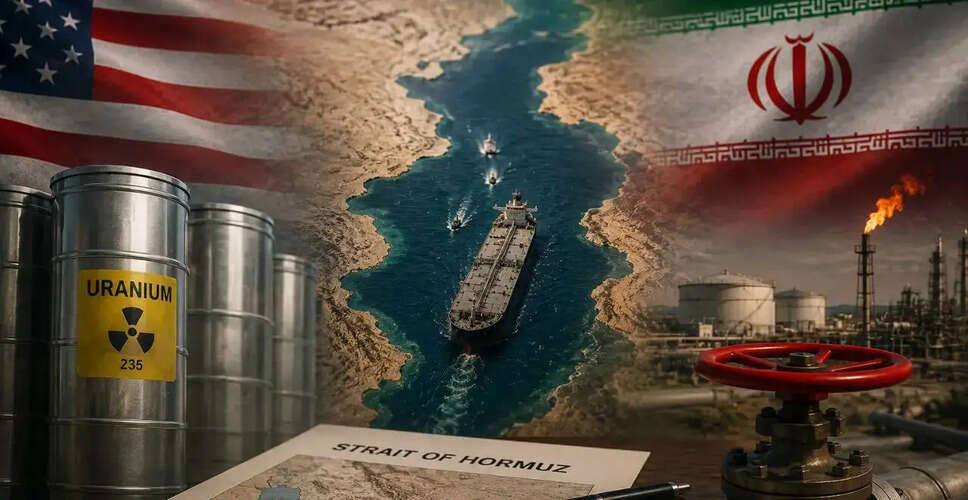
On Sunday, the United States and Iran announced a significant peace agreement aimed at extending the ceasefire, reopening the Strait of Hormuz, and paving the way for further discussions to ultimately resolve the ongoing conflict and address Iran's nuclear ambitions. Although the specific details of the memorandum of understanding (MOU) have not been disclosed, it reportedly extends the ceasefire for an additional 60 days while negotiations for a more comprehensive agreement continue. US Vice-President JD Vance noted that the document has been digitally signed, with representatives from both nations expected to participate in a formal signing event in Geneva on Friday. However, since the announcement, both Washington and Tehran have provided differing interpretations of several critical aspects of the deal.
Strait of Hormuz
Iran's Perspective
Iran's Position: Iran has expressed its intention to maintain a role in overseeing traffic through the vital waterway. Reports indicate that Iran, along with Oman, will regulate ships passing through the Strait of Hormuz, suggesting Tehran aims to retain some level of control over this crucial maritime route. Additionally, Iran's Foreign Ministry spokesman Esmaeil Baghaei mentioned that while they are not looking to impose transit tolls, fees may be charged for specific services rendered in the strait.
US Perspective
US Position: In contrast, President Donald Trump has portrayed the agreement differently, stating in an interview that it would guarantee the Strait of Hormuz remains "permanently toll-free." However, reports indicate that the memorandum only suspends toll-related measures for 60 days and calls for future discussions regarding the long-term status of the waterway. Notably, Iran had not charged tolls prior to the conflict, meaning the arrangement would largely revert to pre-war conditions.
Financial Implications for Iran
Iran's Financial Gains
Iran's Position: Just before the announcement, a senior Iranian official revealed that the draft terms would allow the United States to release $25 billion in frozen Iranian assets. Additionally, Iran's state-affiliated Mehr News Agency reported that the US and its allies would contribute to a reconstruction fund.
US Stance
US Position: Trump has publicly dismissed claims that the US would provide direct cash payments to Iran. He stated on Truth Social that Iran has agreed to abandon its pursuit of nuclear weapons and labeled reports of the US paying Iran $300 million as "fake news" propagated by political opponents.
Iran's Enriched Uranium Stockpile
Iran's Position
Iran's Position: A senior Iranian official indicated that the draft agreement would allow Iran to dilute its enriched uranium stockpile domestically. Iran has consistently denied any intentions to develop nuclear weapons.
US Position
US Position: Trump mentioned that discussions regarding Iran's uranium stockpile would occur at a later date, suggesting that there is no immediate urgency to address the issue. He characterized it as "harmless." While both governments have welcomed the agreement as a positive step towards ending the conflict, many significant questions remain regarding its final terms. The complete text of the memorandum has yet to be released, and several key provisions—including the future of the Strait of Hormuz, economic relief for Iran, and the management of Tehran's nuclear program—are still subject to further negotiations during the 60-day ceasefire period.