
U.S. Airstrike Eliminates Senior ISIS Leader in Syria

U.S. Forces Target ISIS Leadership
In a significant operation, American military forces have successfully executed a targeted airstrike in northwest Syria, resulting in the death of a high-ranking Islamic State leader, Ali Husayn al-'Ulaywi. This action was confirmed by U.S. Central Command on Wednesday, emphasizing the ongoing efforts to prevent the terrorist organization from regaining influence.
Continued Threat of ISIS
Why the U.S. Remains Vigilant Against ISIS
Despite the loss of its self-proclaimed caliphate over five years ago, ISIS continues to pose a threat, albeit diminished. The recent airstrike serves as a stark reminder that the group, while reduced in size, has not been eradicated. CENTCOM highlighted that this operation is part of a larger strategy aimed at identifying and neutralizing militants who threaten U.S. interests domestically and internationally.
"The precision strike that eliminated Ali Husayn al-'Ulaywi is a testament to our ongoing commitment to disrupt and dismantle terrorist networks targeting Americans and our allies," stated CENTCOM.
Long-Term Commitment to Counterterrorism
Ongoing Operations Against ISIS
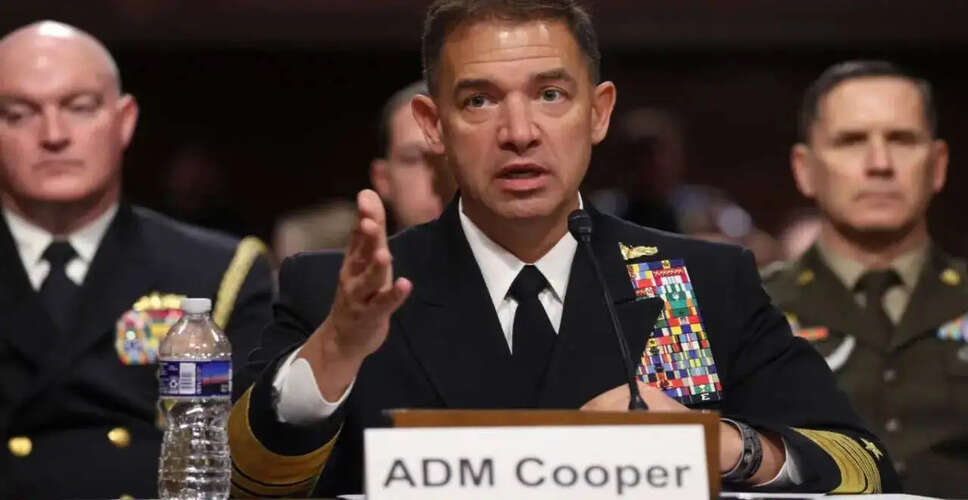
Admiral Brad Cooper, the CENTCOM Commander, reiterated the U.S. commitment to eradicating the remnants of ISIS, ensuring that the group does not regain strength. He emphasized the importance of defending the U.S. homeland and supporting allies in the region.
CENTCOM
2069760212735611020
The Evolving Nature of ISIS
ISIS: Smaller but Still Active
Security experts have long warned that while ISIS no longer holds territory as it once did, it has transitioned into smaller sleeper cells and insurgent networks capable of executing attacks when opportunities arise. In Syria, U.S. forces collaborate with local partners to maintain pressure on the remnants of ISIS through intelligence sharing, raids, and airstrikes. A similar strategy is being employed in Iraq, where security forces actively target suspected ISIS hideouts in remote areas.
Strategic Implications
The Bigger Picture
Although ISIS lost its territorial control in 2019 following extensive military campaigns, U.S. officials argue that reducing counterterrorism efforts could allow the group to regroup. This latest airstrike comes at a time when U.S. military focus is shifting, yet it underscores that Washington remains committed to its counterterrorism objectives in the region amidst ongoing instability in Syria.