
Urban India's Nutrition Awareness: A Study on Protein and Fibre Consumption

Understanding Nutrition Trends in Urban India
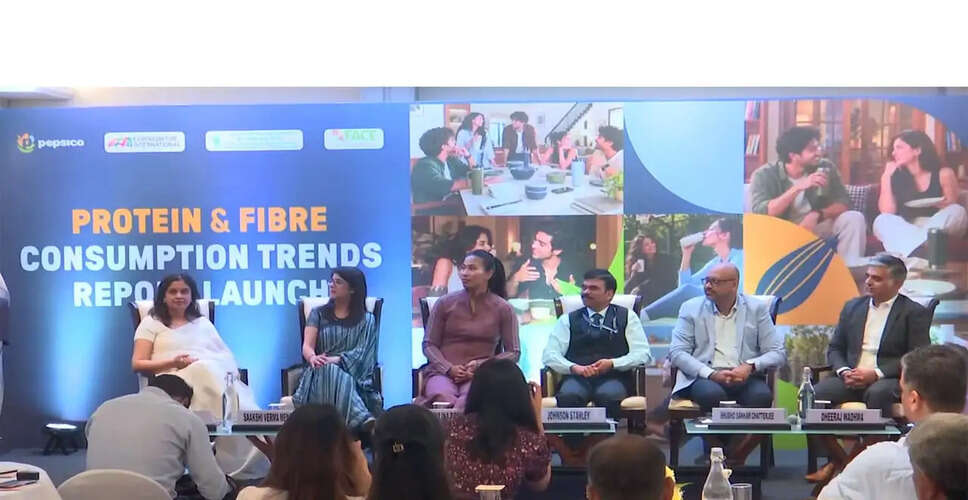
A recent study reveals that while Indian consumers are becoming more aware of nutrition, this awareness does not always lead to healthier dietary choices. The research, titled 'The State of Protein & Fibre in Urban India,' was conducted by PepsiCo India in collaboration with Euromonitor International and the Indian Institute of Millet Research (IIMR). It surveyed 1,250 individuals aged 18 to 50 across major cities like Delhi, Mumbai, Bengaluru, Kolkata, and Kochi, focusing on their knowledge of protein and fibre needs, breakfast habits, and factors influencing their dietary decisions.
Key Insights on Nutritional Gaps
1. **Awareness vs. Understanding**: Although 74% of participants reported being aware of their daily protein needs, 56% were misinformed about the actual requirements.
2. **Insufficient Protein Intake**: A staggering 70% of respondents consume less than the recommended 41g of protein daily, with this shortfall evident across all surveyed cities.
3. **Fibre Knowledge Gap**: While 59% claimed to know their daily fibre needs, a significant 89% were misinformed, with only 11% accurately identifying the recommended intake.
4. **Fibre Consumption Shortfall**: 61% of participants do not meet the recommended daily fibre intake, with Gen X showing a higher gap at 65% compared to 58% among Gen Z and Millennials.
5. **Desire for Natural Protein Integration**: Approximately 90% of consumers wish for easier and more natural ways to incorporate protein into their diets.
6. **Barriers to Protein Consumption**: High costs were cited by 60% of respondents, while 57% noted a lack of convenient, credible protein-rich food options.
7. **Fibre Accessibility Issues**: A notable 69% reported a lack of convenient, credible fibre-focused food options, with Kochi (74%), Kolkata (72%), and Mumbai (71%) showing the highest percentages.
Industry Perspectives
The findings were presented at an event supported by the Confederation of Indian Industry (CII), which gathered experts from nutrition, public health, and industry sectors. Discussions centered on bridging the gap between nutritional awareness and actual consumption, emphasizing the need for healthier choices to be more accessible and familiar.
Dr. Ankita Marwaha, Director of R&D LifeScience at PepsiCo India, emphasized the importance of translating nutrition knowledge into practical choices. She noted that understanding consumer needs and behaviors is crucial for developing better options and enabling informed decisions.
The study also highlighted a strong inclination among Gen Z consumers to simplify protein incorporation into their diets, with 89% expressing a desire for more familiar formats.
Expert Commentary
Dilip Radhakrishna, Senior Consultant at Euromonitor International, commented on the study's findings, noting the disconnect between consumer interest in protein and fibre and their understanding of nutritional needs. He pointed out that while many actively seek these nutrients, their awareness does not always translate into accurate knowledge, particularly regarding fibre. This presents an opportunity for improved nutrition communication to help consumers understand their needs and how to meet them through everyday food choices.