
Urban Flooding Threatens India's Future Job Growth and Health
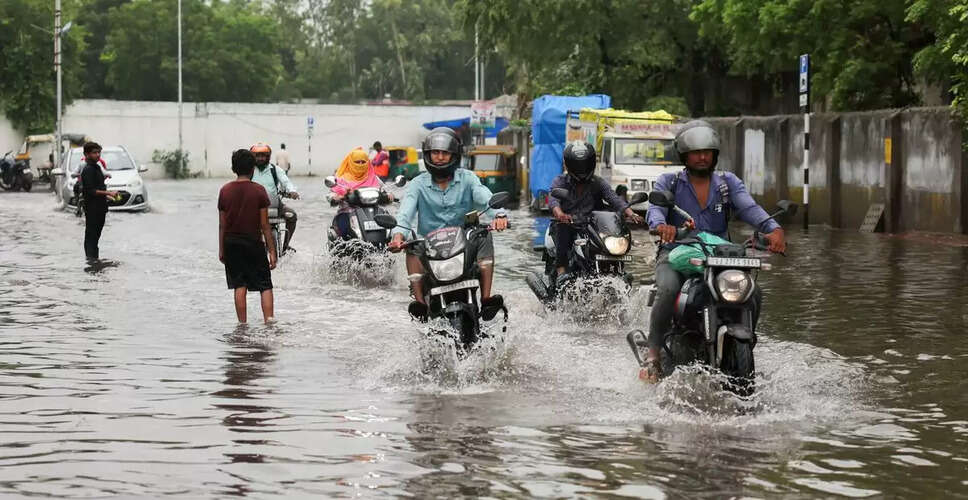
Urban Challenges Ahead
A recent study by the World Bank and the Union Ministry of Housing and Urban Affairs reveals that Indian cities are projected to generate over 70% of new employment opportunities by 2030. However, these cities face a daunting challenge, potentially losing $5 billion each year due to urban flooding.
The report indicates that the urban population is set to nearly double, reaching 951 million by 2050. This rapid urbanization, coupled with climate change, is increasing the vulnerability of cities to flooding, driven by severe rainfall and extreme temperatures.
If no adaptation strategies are implemented, the financial losses from urban flooding could escalate to between $14 billion and $30 billion by 2070.
Additionally, the report emphasizes the rising threat of pluvial flooding, or flash floods, in urban areas, with the risk expected to surge by 3.6 to 7 times by 2070.
The report highlights that unpredictable and intense rainfall patterns, exacerbated by climate change and urban expansion, are leading to frequent flooding, causing significant damage and service interruptions.
The number of people at risk of experiencing a once-in-a-century flood could increase fourfold, from 11.1 million in 2023 to 46.4 million by 2070.
Moreover, the report warns of escalating heat stress in Indian cities, predicting that heat-related fatalities could double to over 300,000 annually by 2050. Implementing measures such as adjusting work hours, enhancing urban greenery, establishing early warning systems, and creating cool roofs could potentially save more than 130,000 lives.
It notes that exposure to extreme heat has risen by 71% in ten major cities, including Pune, Hyderabad, and New Delhi.
The report calls for urgent climate resilience strategies in Indian cities, emphasizing the need for risk assessments, planning, and investment in resilient infrastructure, particularly in disaster-prone areas and among vulnerable populations.
However, the financial requirements for developing resilient, low-carbon urban infrastructure far exceed current municipal budgets. Under a conservative urbanization scenario, the estimated investment needed for climate-resilient urban infrastructure is projected to reach $2.4 trillion by 2050 and $10.9 trillion by 2070.
The report suggests that municipal governments can enhance their capacity for detailed risk assessments, land use planning, and fiscal management to successfully implement resilient capital investment projects.