
Upcoming US-Iran Talks: No Dates Set Yet Amid Ongoing Middle East Tensions
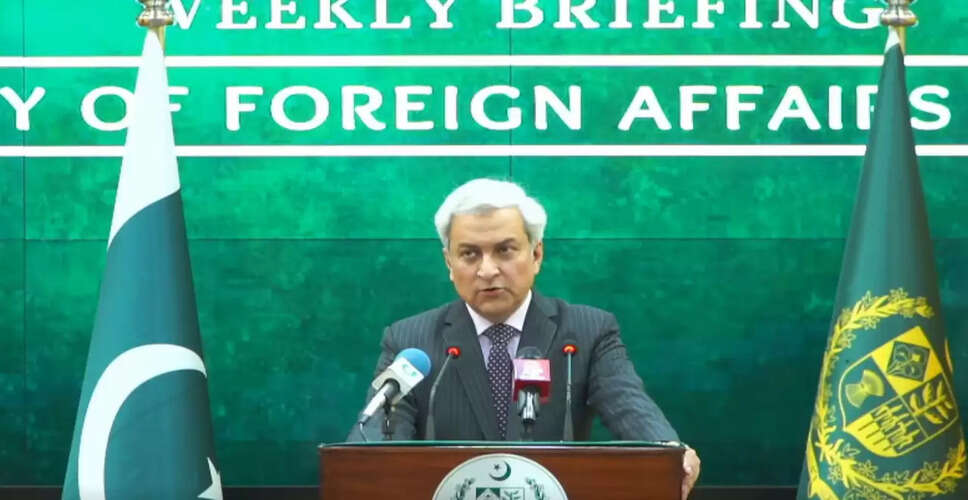

US-Iran Negotiations in Limbo
Following the unsuccessful US-Iran discussions in Islamabad, a second round of talks is anticipated, although specific dates have yet to be established. During a press briefing on April 16, Foreign Office spokesperson Tahir Andrabi addressed the ongoing situation in West Asia, emphasizing that no timeline has been confirmed for the next round of negotiations. This briefing took place at the Ministry of Foreign Affairs in Islamabad, coinciding with a fragile two-week ceasefire in the region.
Andrabi stated, "No dates have been set as yet," indicating a potential for further discussions. He noted that the specifics regarding the delegations involved would be determined by the negotiating parties themselves, including who will participate and the size of the delegations.
One of the key topics for discussion remains the nuclear issue, although Andrabi urged the media to refrain from speculation and declined to comment on the positions of the negotiating parties. He reiterated the significance of achieving peace in Lebanon as part of the broader talks.
According to Andrabi, the initial round of discussions, referred to as the 'Islamabad talks', lasted for 21 hours, with the overall negotiation process extending to approximately 30 hours, highlighting the intensive nature of the discussions.
The 'Islamabad talks' were aimed at resolving the ongoing conflict in the Middle East and involved US and Iranian representatives. US Vice President JD Vance led the American delegation during these talks. Vance indicated that a major sticking point for the US was Iran's nuclear program, while Iran cited the US's 'excessive demands' as a barrier to agreement.
For context, the Middle East is currently experiencing significant turmoil following US and Israeli attacks on Iran on February 28, which prompted retaliatory actions from Iran and disruptions in the Strait of Hormuz. Presently, the region is under a two-week ceasefire.