
Upcoming US-China Summit: Key Issues and Expectations

High-Stakes Meeting in Beijing
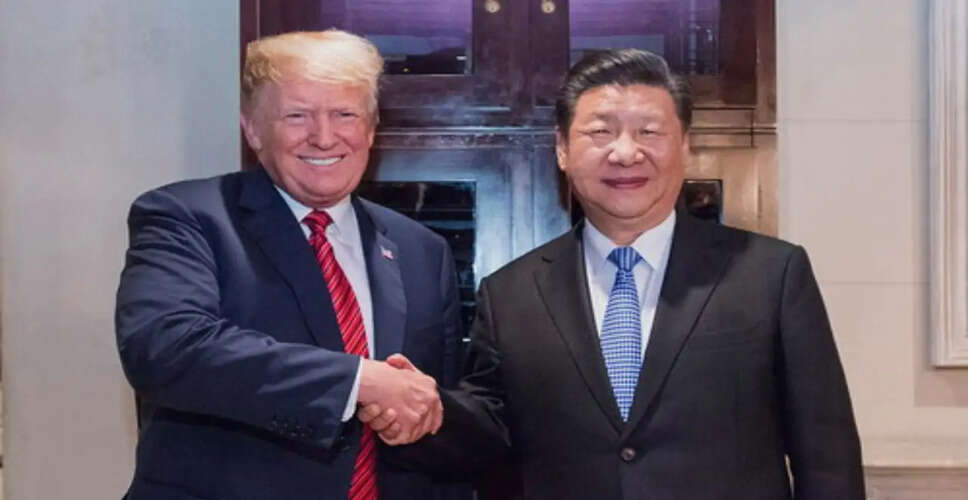
Next week, President Donald Trump and Chinese President Xi Jinping are set to engage in a crucial summit in Beijing, marking their second in-person discussion since Trump resumed his presidency. This two-day event, commencing on Thursday, occurs during a particularly strained period in US-China relations. The agenda is anticipated to address various contentious issues, including the conflict in Iran, trade disparities, advancements in artificial intelligence, Taiwan, and other critical topics.
Previous Meeting and Current Landscape
The last encounter between Trump and Xi took place in October 2025 in Busan, South Korea, where they reached a temporary agreement to halt the escalating trade conflict. This pause led to the suspension of US tariffs on Chinese imports and China's threats regarding rare earth mineral exports. However, the situation has evolved significantly since then. The US is currently involved in a direct confrontation with Iran, a key ally of China in the Middle East. This conflict has sparked a global energy crisis, increased oil prices, and redirected substantial US military resources away from the Asia-Pacific region. Some analysts in China argue that this situation has diminished America's capacity to defend Taiwan if necessary.
Simultaneously, Xi Jinping is facing challenges with China's slowing economic growth and the looming threat of a global recession that could adversely affect Chinese exports.
Agenda Highlights
For the United States, the key points of discussion include:
- Encouraging China to persuade Iran to reopen the Strait of Hormuz
- Boosting Chinese imports of American products (such as Boeing aircraft, beef, and soybeans)
- Mitigating the flow of fentanyl into the US
- Reducing tensions surrounding Taiwan
- Collaborating on managing artificial intelligence risks
- Addressing the case of Jimmy Lai, a Hong Kong democracy activist
For China, the priorities include:
- Extending the current trade truce
- Relaxing US export restrictions on advanced semiconductors
- Reducing US support for Taiwan
- Alleviating tariffs and technology limitations
Expectations for the Summit
Both parties are entering the summit with tempered expectations. Analysts do not foresee any significant breakthroughs or comprehensive agreements. A more plausible outcome would involve modest arrangements regarding investments, an extension of the existing trade truce, and commitments to maintain high-level discussions. Zhao Minghao, an expert in international relations at Fudan University in Shanghai, noted that the meeting is primarily about stabilizing relations and buying time rather than achieving substantial victories.
Challenges Ahead
The conflict in Iran represents a significant potential hurdle. China has criticized US actions in the Middle East while simultaneously urging Iran to engage in negotiations. Any public disagreement regarding Iran could negatively impact the summit's atmosphere. Nevertheless, both leaders seem determined to keep lines of communication open. Trump has frequently referred to Xi as 'a friend,' while Xi recognizes the importance of managing tensions with Washington amid domestic economic challenges in China.
This summit is being closely monitored globally, as any notable changes in US-China relations could have far-reaching implications for international trade, energy markets, and security in the Asia-Pacific region. The meeting is expected to conclude on Friday, with further details on the outcomes likely to emerge afterward.