
Upcoming Elections for Mayor and Civic Committees in Delhi
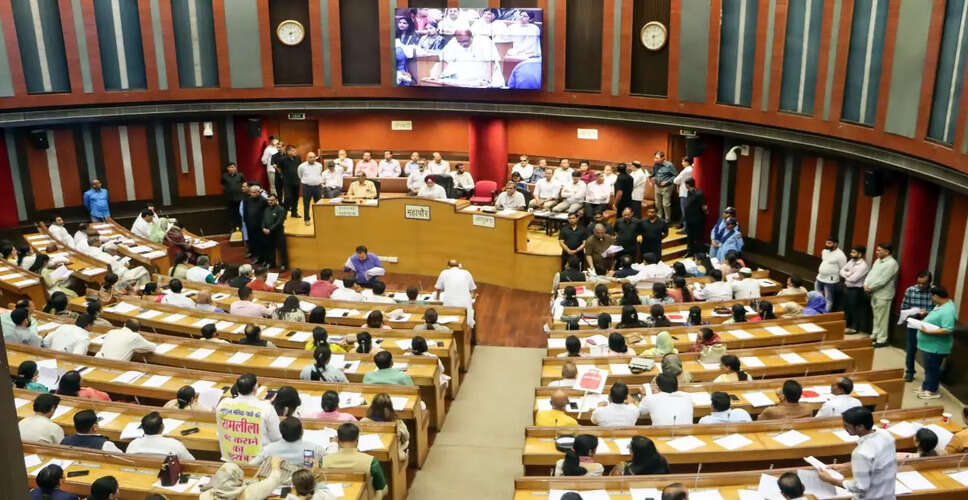
Delhi's Civic Elections on the Horizon
Elections for the positions of Mayor, Deputy Mayor, and key civic committees in the Delhi Municipal Corporation are expected to take place soon, likely in the last week of April, as confirmed by officials on Monday. Additionally, elections are also scheduled during this period to fill three vacant seats in the house's standing committee. Last year, the Aam Aadmi Party (AAP) opted out of the mayoral elections, allowing the Bharatiya Janata Party (BJP) to win uncontested.
Structure of the Mayoral Position
The mayoral position in Delhi operates on a rotational system with five one-year terms. The first year is reserved for women, the second for the general category, the third for the reserved category, and the last two years revert to the general category. Each financial year concludes with the election of a new mayor. The BJP regained control of the Municipal Corporation of Delhi (MCD) last year after a two-year hiatus. Previous elections faced significant disruptions due to sharp disagreements between AAP and BJP councilors, leading to postponements. Earlier attempts to elect a mayor were also thwarted by procedural deadlocks.
Electoral College for the Mayoral Election
This year, the electoral college for the mayoral election comprises 14 legislators appointed by the Delhi Assembly, a total of 249 councilors, and three Rajya Sabha members. A candidate needs 137 votes to secure victory. Currently, the BJP holds 123 councilors, along with seven Lok Sabha MPs and 11 legislators, totaling 141 votes. In contrast, the Aam Aadmi Party (AAP) has 100 councilors, three Rajya Sabha members, and three legislators, amounting to 106 votes.