
Upcoming BRICS Foreign Ministers’ Meeting in New Delhi Amid Geopolitical Tensions

Overview of the BRICS Foreign Ministers’ Meeting
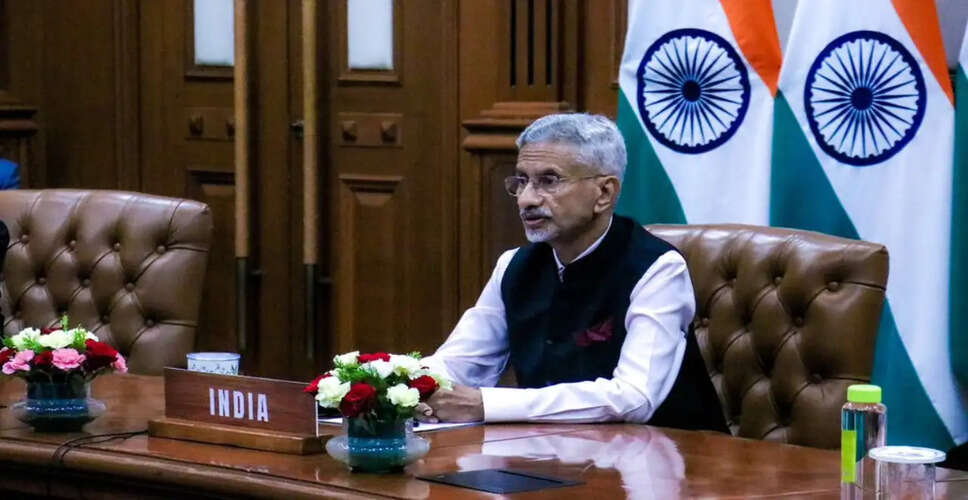
This week, New Delhi will host the 2026 BRICS Foreign Ministers’ Meeting, taking place against a backdrop of escalating geopolitical tensions and internal disputes regarding the West Asia conflict. The summit, led by External Affairs Minister Dr. S Jaishankar at Bharat Mandapam on May 14 and 15, aims to gather foreign ministers and senior representatives from BRICS nations and partner countries ahead of the larger BRICS leaders’ summit later this year.
Participating Countries in the BRICS Meeting
As the current chair of BRICS, India will welcome ministers and senior officials from nearly all 11 member nations. Confirmed attendees include:
- Sergey Lavrov, Foreign Minister of Russia,
- Seyed Abbas Araghchi, Foreign Minister of Iran,
- and senior representatives from Brazil, South Africa, Egypt, Ethiopia, Indonesia, and the UAE.
Iran will also send Deputy Foreign Minister Kazem Gharibabadi as part of its delegation. Additionally, partner countries such as Belarus, Malaysia, and Kazakhstan are expected to join broader discussions related to the summit. The visiting delegations are anticipated to meet with Prime Minister Narendra Modi during the event. Notably, Chinese Foreign Minister Wang Yi will not be present due to scheduling conflicts with US President Donald Trump’s state visit to China; instead, China will be represented by Ambassador Xu Feihong. The participation of Saudi Arabia’s minister remains unconfirmed, although diplomatic representation is still anticipated.
Challenges Posed by the West Asia Conflict
Even before the formal discussions commence, visible diplomatic rifts are emerging. Central to these tensions is the ongoing West Asia conflict and the challenge of formulating a unified BRICS stance that satisfies both Iran and the UAE, two nations on opposing sides of a rapidly intensifying regional conflict. Sources indicate that the meeting may conclude without a joint statement.
Significance of the Iran-UAE Divide
The primary diplomatic hurdle at the summit is the escalating disagreement between Iran and the UAE regarding the language surrounding the recent West Asia conflict. This discord arises from US-Israel strikes on Iran and subsequent retaliatory actions targeting regional energy infrastructure, including assets associated with the UAE. Negotiators are reportedly struggling to find acceptable wording for all parties without alienating either Tehran or Abu Dhabi. One official noted, “In the absence of a joint statement, we will have to come up with a chair statement.” This disagreement is not unprecedented; previous attempts to reach consensus during a BRICS senior officials’ meeting on the Middle East and North Africa in April failed due to similar issues, serving as a warning ahead of India’s broader BRICS leadership agenda in 2026.