
Unveiling the Secrets of the Taj Mahal: Mysteries Beneath the Iconic Monument

Exploring the Hidden Mysteries of the Taj Mahal
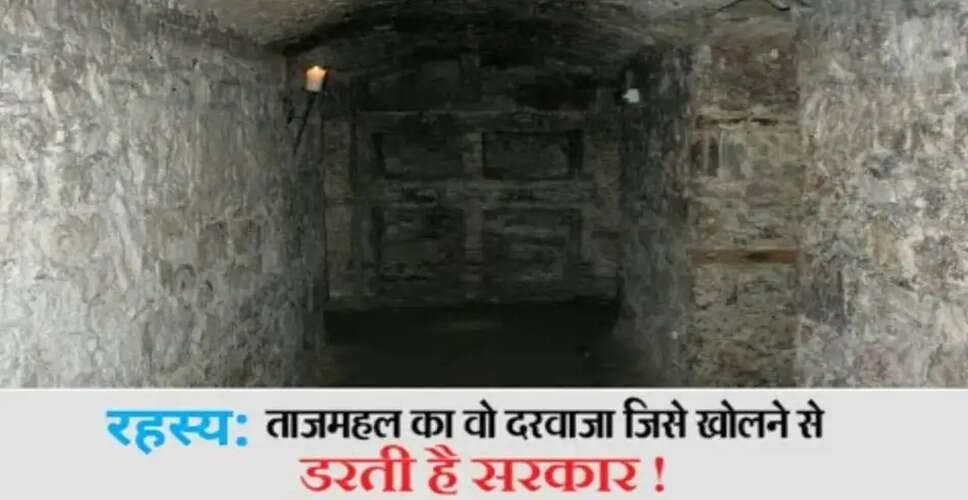
The Taj Mahal, a symbol of India's pride and one of the seven wonders of the world, conceals numerous secrets within its walls. There have been claims suggesting that this magnificent structure is not merely a mausoleum but rather a Hindu Shiva temple. Furthermore, many chambers from the era of Shah Jahan remain sealed and inaccessible to the public. Researchers assert that there are over a thousand rooms beneath the Taj Mahal. Additionally, it is said that there exists a mysterious exit door that was sealed with bricks during Shah Jahan's reign. Interestingly, some argue that the bricks used to seal these rooms were made after the gate was constructed. This raises the question of why these rooms were sealed in the first place. Various scholars propose that one of these rooms contains the tomb of Mumtaz, which the government has chosen to seal. Some archaeologists even suggest that a Shiva temple named Tajumhalya once stood at this site. Recently, a new conspiracy has emerged, claiming that treasures lie hidden in these underground chambers, as confirmed by metal detectors. While several doors have been found open, they were subsequently sealed again, leaving the mystery of what lies behind them intact, a secret that even governments seem wary of uncovering.
A Doorway to Secrets: The Government's Fear
During the construction of the Taj Mahal, pathways for entry and exit were established, including a route that led far outside. However, this passage was closed off during Shah Jahan's rule.