
Unique Marriage Tradition in Rajasthan's Aati Village
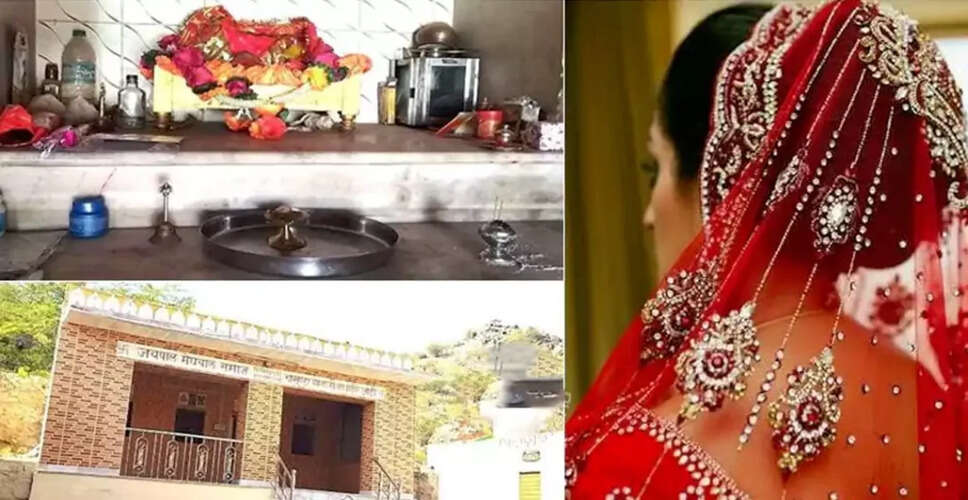

Aati Village's Distinct Belief System
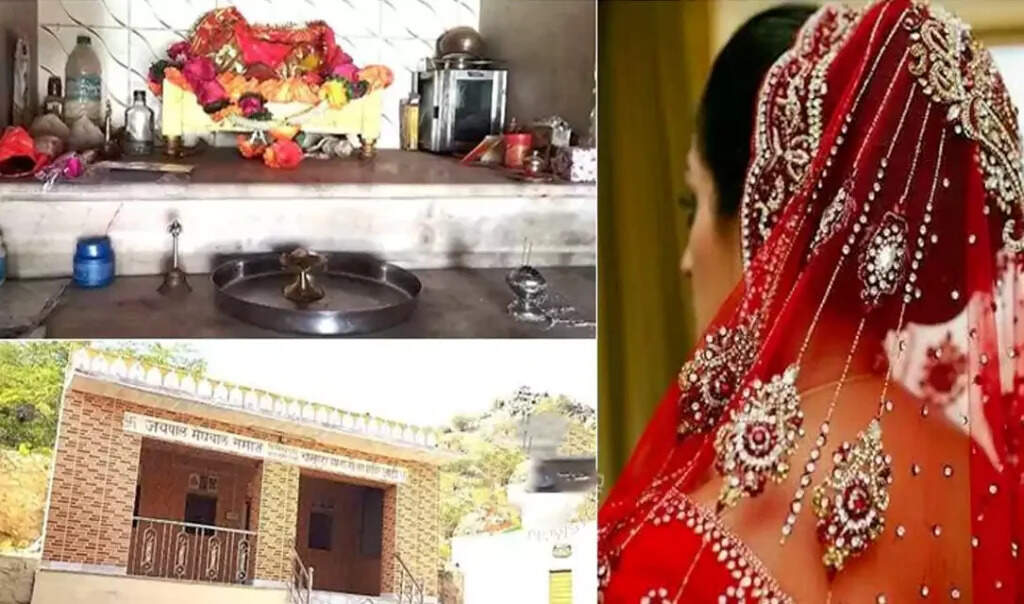
In Indian culture, beliefs hold significant importance. When a belief takes root in a village, town, or city, the residents adhere to it with great dedication. Some of these beliefs can be quite unique, such as one found in Aati village, located in Rajasthan's Barmer district, where no marriages have taken place in the courtyards of homes for approximately 350 years.
The Tradition of Aati Village
In Aati village, all weddings are conducted at the local temple. It is believed that if a marriage does not occur in the temple, the bride or daughter will never bear children. Consequently, the marriages of both boys and girls from the village are held at the Chamunda Mata temple.
Demographics of Aati Village
Situated about 10 kilometers from Barmer district headquarters, Aati village is home to families from the Meghwal community, specifically the Jai Pal clan. The temple dedicated to their family deity, Chamunda Mata, is located at the base of the village. According to local customs, a courtyard remains considered unmarried until a daughter’s wedding takes place there.
Ceremonies Held at the Temple
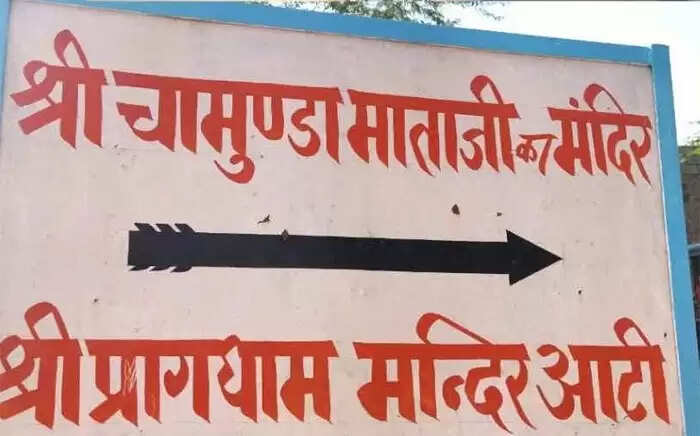
In this village, weddings are not held at homes but at the temple. The ceremony begins with a ritual called 'path bithaai', followed by the vows, feast, and farewell, all conducted within the temple premises. Even the wedding procession is halted at the temple.
Involvement of the Temple Committee
According to Mehtaram Jai Pal, the president of the temple committee, not only daughters but also sons have their wedding rituals performed at the temple. Upon the arrival of the wedding procession, the bride is also kept at the temple. The following night, a vigil is held, and the next morning, prayers are conducted before the bride enters her new home.
Historical Background of Aati Village
Locals believe that Aati village was established around 350 years ago when people from the Jai Pal clan migrated from Khuhri village in Jaisalmer. They brought with them a statue of their deity in a wooden cradle. The then landlord, Hamir Singh Rathore, provided them with land to settle. Subsequently, the villagers constructed a temple and installed the deity's statue, leading them to consider the temple as their home and conduct marriages there. This tradition has persisted for 350 years, with the belief that failing to marry in the temple results in childlessness.
Festivals at the Temple
It is considered auspicious to hold weddings at the Chamunda Mata temple, which hosts a fair during the months of Bhadwa and Magh Sudhi Saptami. During this event, people engage in worship, and newlyweds offer their ceremonial attire at the temple.