
Union IT Minister Defends Digital Personal Data Protection Act Amid Press Freedom Concerns

Union IT Minister Addresses Press Freedom and Data Protection
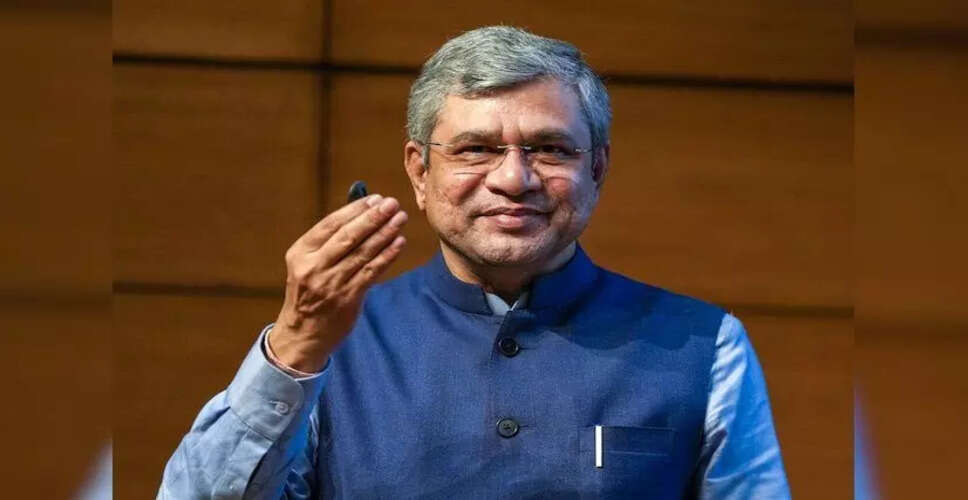
A file image of Union IT Minister Ashwini Vaishnaw. (Photo: @gemsofbabus_/X)
New Delhi, Oct 28: On Wednesday, Union IT Minister Ashwini Vaishnaw emphasized that the Digital Personal Data Protection (DPDP) Act does not violate press freedom, highlighting that such freedom is enshrined in the Constitution.
Vaishnaw encouraged media professionals and editors to engage in discussions with the government to clarify any concerns regarding the new legislation.
He stated, "The Constitution of India guarantees journalistic freedom, which remains intact. There is no intention to undermine this freedom. The privacy law fully respects and upholds journalistic rights as guaranteed by the Constitution," Vaishnaw asserted.
He noted that the privacy law was established following a ruling by the Supreme Court.
These comments followed a challenge by the Digital News Publishers Association (DNPA), which represents 21 news organizations, against certain provisions of the DPDP Act in the Supreme Court. They argued that the lack of a clear exemption for journalistic activities could hinder investigative journalism and threaten press freedom.
The Supreme Court has requested a response from the government and has scheduled the next hearing for November 17.
The publishers expressed concerns that the requirements for notice, consent, and the deletion of personal data could obstruct journalists' ability to cover issues of public interest, especially in cases of alleged misconduct.
Additionally, they raised alarms about the protection of journalistic sources.