
Unexpected Candidate for Iran's Leadership: Ahmadinejad's Role in Regime Change Plans

Background on the Iran Conflict
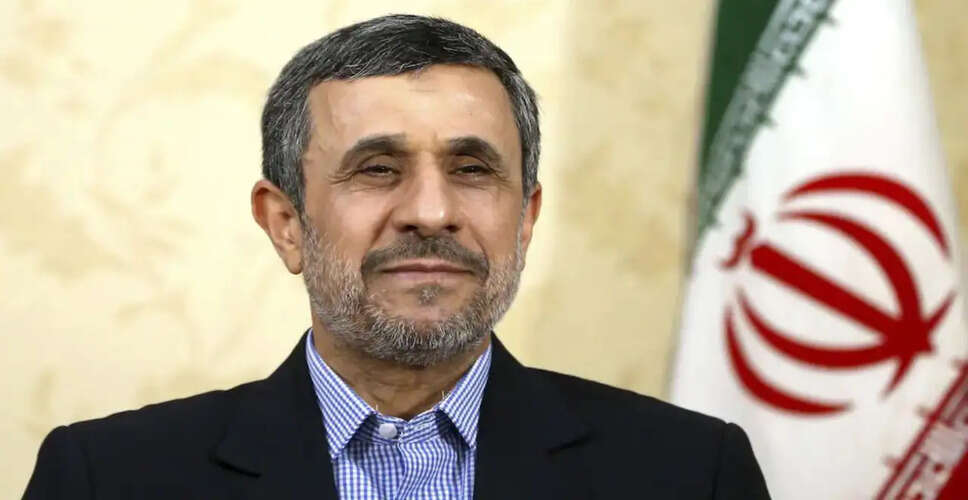
Following the onset of the Iran war, particularly after the Israeli attacks that resulted in the death of Iranian Supreme Leader Ali Khamenei, former President Donald Trump suggested that Iran's future leader should emerge from within the nation once the hostilities ceased. Various names were proposed, including that of the former shah's son. However, a surprising candidate emerged in discussions: former Iranian president Mahmoud Ahmadinejad. Reports indicate that Israeli officials had devised a plan involving Ahmadinejad, but it quickly fell apart when he sustained injuries from an Israeli airstrike aimed at his home in Tehran on the war's first day.
Ahmadinejad's Surprising Consideration
Why Ahmadinejad Was Considered?
The notion of Ahmadinejad playing a role in the regime change plan took many US officials by surprise. His presidency from 2005 to 2013 was marked by vehement anti-American and anti-Israel sentiments, Holocaust denial, and a strong push for Iran's nuclear ambitions. He famously called for Israel's destruction and oversaw a significant increase in uranium enrichment during his tenure. However, in recent years, he had been at odds with Iran's ruling elite, accusing them of corruption and facing restrictions that barred him from presidential runs in 2017, 2021, and 2024. Despite his controversial past, some officials believed he could help stabilize Iran post-conflict.
The Collapse of the Regime Change Strategy
How The Regime Change Plan Collapsed?
Israeli defense officials outlined a multi-phase strategy aimed at undermining Iran's leadership and military capabilities through initial airstrikes by Israel and the US. The plan also included mobilizing Kurdish forces against Tehran and launching influence campaigns to destabilize the government. However, the strategy did not unfold as anticipated. Despite the air campaign and the assassination of Khamenei, Iranian authorities managed to withstand the early stages of the conflict, revealing that both Washington and Jerusalem had misjudged Iran's resilience.
The attack on Ahmadinejad's residence added further complications. Initial reports suggested he had been killed, but it was later confirmed that he survived, although several members of the Islamic Revolutionary Guard Corps assigned to protect him perished in the strike. Satellite images later indicated that the security post near his residence had been destroyed. Despite these challenges, some Israeli officials maintained that regime change in Tehran was still a viable option, with Mossad chief David Barnea reportedly expressing confidence in the long-standing plan's potential for success if fully endorsed.