
Unexpected Algae Growth in Lincoln Memorial Reflecting Pool After Renovation
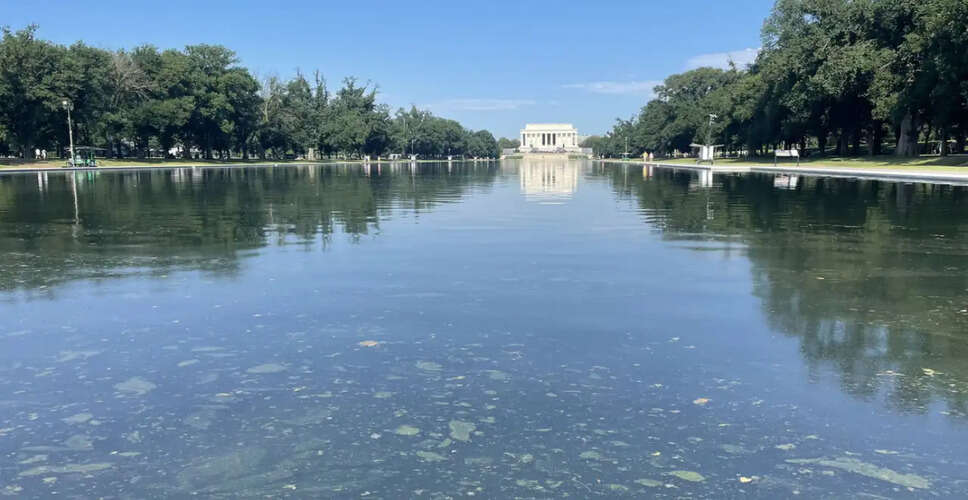

Algae Issues Arise Post-Renovation
The Lincoln Memorial Reflecting Pool, following a multimillion-dollar renovation aimed at restoring its signature deep blue hue, is now facing an unexpected challenge: the water has started to turn green. Recent photographs from Washington, D.C. reveal that algae is spreading across the surface of the pool just days after it was refilled, prompting inquiries into whether the renovation or the conditions post-construction are fueling this rapid algal growth.
This project, initiated during the previous administration as part of extensive upgrades to the National Mall in anticipation of the U.S. 250th anniversary, involved resurfacing the historic pool with a dark blue coating intended to enhance its appearance and minimize leaks. However, the quick onset of discoloration has raised eyebrows. While officials have not indicated any structural issues, experts note that algae blooms are common in shallow outdoor water bodies, even after significant renovations.
A Historic Site With Persistent Algae Issues
The Reflecting Pool, which spans over 2,000 feet between the Lincoln Memorial and the Washington Monument, has historically struggled with algae due to its shallow depth and slow-moving water. Algae has reappeared even after previous renovations, including a major overhaul in 2012 that also saw algae return shortly after completion, necessitating further cleaning and adjustments to the system. Experts attribute the pool's vulnerability to rapid algal blooms to a combination of sunlight, heat, and nutrient accumulation.
President Trump fixes the reflecting pool and a week later it’s green again, loaded with algae… Sabotage… Vandalism? I believe it is. The left can’t stand Trump, American greatness and his quest to make DC beautiful again. What a shame! pic.twitter.com/ohvldLLgZL
— Grant Stinchfield (@stinchfield1776) June 13, 2026
4 Possible Reasons for the Green Water
Experts in environmental science have identified several potential reasons for the sudden algae growth:
1. Residual Algae from Renovation
One explanation could be that algae remained in the system during the renovation. When water systems are inactive for extended periods, microorganisms can survive in pipes, sediment, or shallow areas. Once the water flow resumes, these existing algae can quickly proliferate. Some officials have suggested that the current bloom may be a normal post-refill occurrence rather than a new environmental issue.
2. Darker Surface Coating and Heat Absorption
The newly applied dark blue surface may also contribute to the problem. Darker materials tend to absorb more sunlight and heat, which can elevate water temperatures in shallow areas. Warmer water can enhance algae reproduction by increasing metabolic rates and diminishing natural microbial growth suppression. Experts note that while this factor may play a role, it is rarely the sole cause of algal blooms.
3. Weather and Nutrient Availability
Seasonal weather conditions likely play a part as well. Warm temperatures, intense sunlight, and stagnant water create ideal conditions for algae proliferation. When nutrients like nitrogen and phosphorus are present—often from natural debris, dust, or bird activity—algae can multiply rapidly, sometimes within days.
4. Water Circulation and Infrastructure Issues
Water movement is another critical factor. If circulation systems are not fully optimized post-renovation, water can become stagnant. Stagnant conditions facilitate algae accumulation and spread. Even minor disruptions in filtration or flow can significantly heighten the risk of blooms in shallow outdoor basins.
Understanding the Green Color
The green hue of the water is due to chlorophyll, the pigment utilized by algae for photosynthesis. As algae populations grow, they dominate the light reflection in the water, overpowering the underlying blue coating and altering the pool's appearance. Under favorable conditions, scientists indicate that visible blooms can develop in just a few days.
A Common but Ongoing Challenge
Experts stress that algae growth in large outdoor reflecting pools is not uncommon and typically results from a combination of environmental factors rather than a single cause. While some speculation on social media has suggested intentional interference, there is no evidence to support such claims, and officials have not indicated any wrongdoing. For now, crews are expected to continue monitoring the water conditions and adjusting treatment and circulation systems as necessary to restore the pool's intended appearance.