
Understanding the Silent Killer: The Tragic Case of Pratik Yadav

The Aftermath of Celebrity Deaths
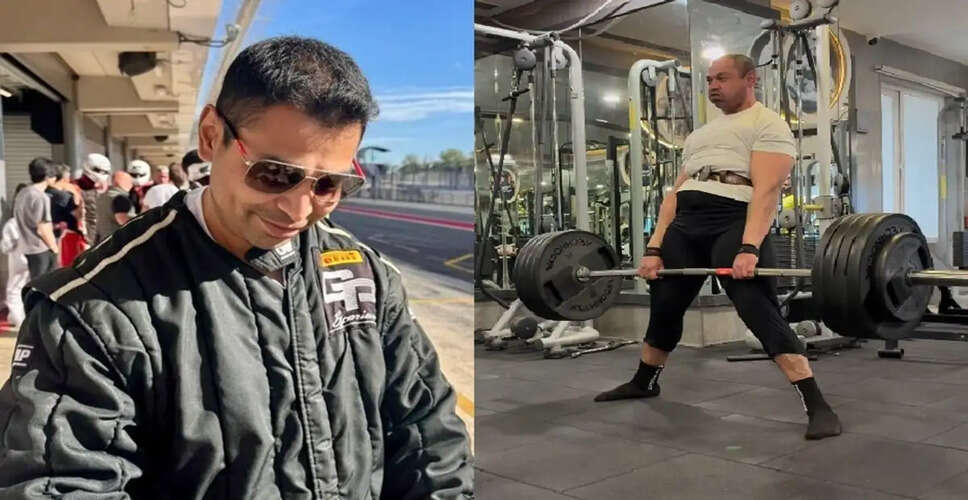
The passing of well-known figures often ignites a flurry of rumors. This was the case following the death of Pratik Yadav, where social media users began attributing his demise to steroids and gym habits, influenced by his muscular physique. However, an exclusive investigation revealed by a prominent news outlet, along with insights from his physician, has put these speculations to rest. Pratik was not a victim of foul play but rather suffered from a silent illness that had been affecting him for five years.
A Rare Condition Unrecognized by Many
Five years prior, Pratik visited a doctor complaining of chest pain and difficulty breathing. Despite appearing healthy and young, he was diagnosed with a condition that would shadow him for life.
Diagnosed with DVT
Deep Vein Thrombosis (DVT) is a condition characterized by blood clots forming in the deep veins, primarily in the legs. While manageable, a clot can dislodge and lead to a serious condition known as pulmonary embolism, where every minute counts. Patients with DVT are typically prescribed anticoagulants and monitored closely, sometimes for years.
A Sudden Turn of Events
On April 29, after consulting with his doctor over the phone, Pratik admitted himself to the hospital. Upon examination, his doctor was alarmed by his severe chest pain and dizziness, leading to his immediate admission to the ICU.
The Decision to Leave Against Medical Advice
On May 1, Pratik expressed his desire to leave the hospital. In medical terms, this is recorded as LAMA (Leave Against Medical Advice). This is not a standard discharge; it signifies that the patient disregards the medical team's advice and assumes responsibility for any consequences. Despite the doctor's warnings that leaving could be akin to a death sentence, Pratik, known for his stubbornness, was determined to go home, feeling overwhelmed by the ICU environment.
Support at Home
Pratik's wife, Aparna, stood by him throughout this ordeal, urging him to stay and complete his treatment. The doctor recalls Aparna's relentless efforts to convince Pratik to remain hospitalized. Ultimately, however, neither the medical team nor his wife could change his mind. He signed the necessary paperwork and left the hospital.
Post-Discharge Care
At home, Pratik received round-the-clock care from a dedicated nursing staff, ensuring he adhered to his medication regimen. In the following days, the doctor continued to monitor his health through the nursing team. The last recorded direct communication with Pratik occurred on May 3, after which all interactions were managed through the nursing staff.