
Understanding the Significance of Pregnancy Rituals in Hinduism

The Importance of Childbirth in Hindu Culture

In Hinduism, every ritual holds a unique significance, particularly when a woman is expecting a child. The arrival of a baby is celebrated as a joyous occasion. This moment is not only socially significant but also holds great importance from a familial perspective, as the birth of a child brings new life to parents and continues the family lineage.
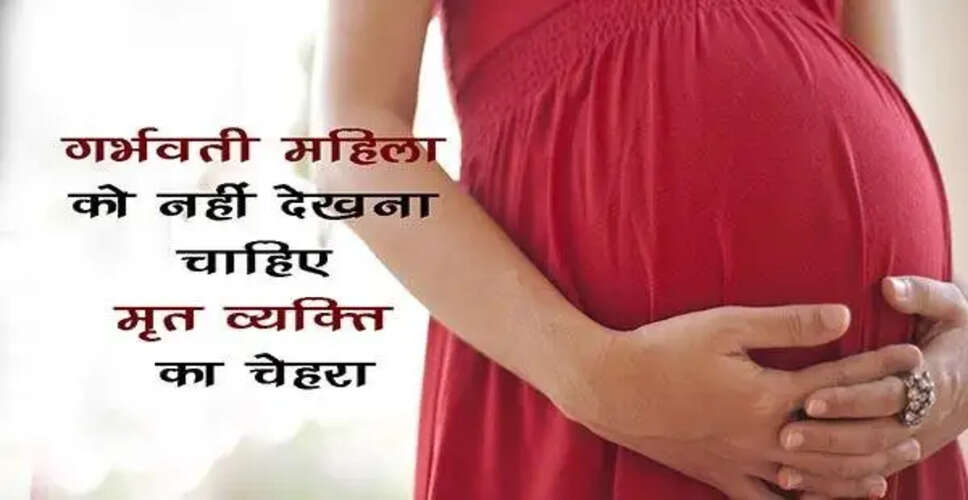
For the elders in the family, this moment is profoundly meaningful and joyous, symbolizing the continuation of their lineage. Consequently, various guidelines have been established in our scriptures to ensure the well-being of both the newborn and the mother. However, the modern generation often perceives these practices as outdated or superstitious. Today, we will explore how these beliefs are not mere superstitions but are backed by important scientific reasons that discourage pregnant women from being near deceased individuals.
When a death occurs in a household, the atmosphere becomes filled with sorrow and negativity. This negative environment can directly impact the unborn child, who is highly sensitive to external stimuli. The emotional state of the mother can significantly affect the developing fetus, potentially leading to harmful consequences.
Another reason for this practice is the presence of numerous bacteria in homes where a death has occurred or where a body is kept. Pregnant women typically have a weakened immune system, making them and their unborn child vulnerable to infections from these bacteria. Therefore, it is advised that pregnant women avoid such environments.
From a psychological standpoint, women tend to be more emotionally sensitive, especially during pregnancy. Being in a grieving household can increase their anxiety, which may adversely affect their baby.