
Understanding the Significance and Rituals of Kalava in Hinduism
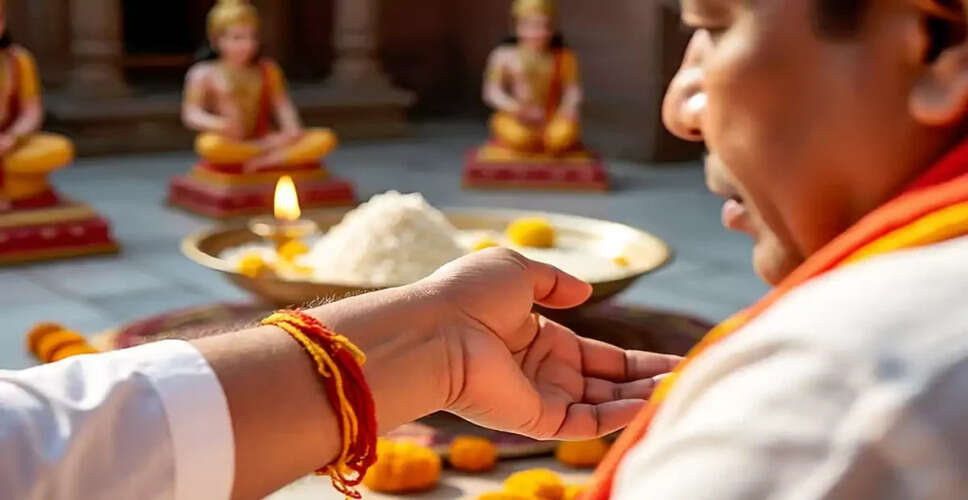

The Tradition of Kalava in Hindu Rituals
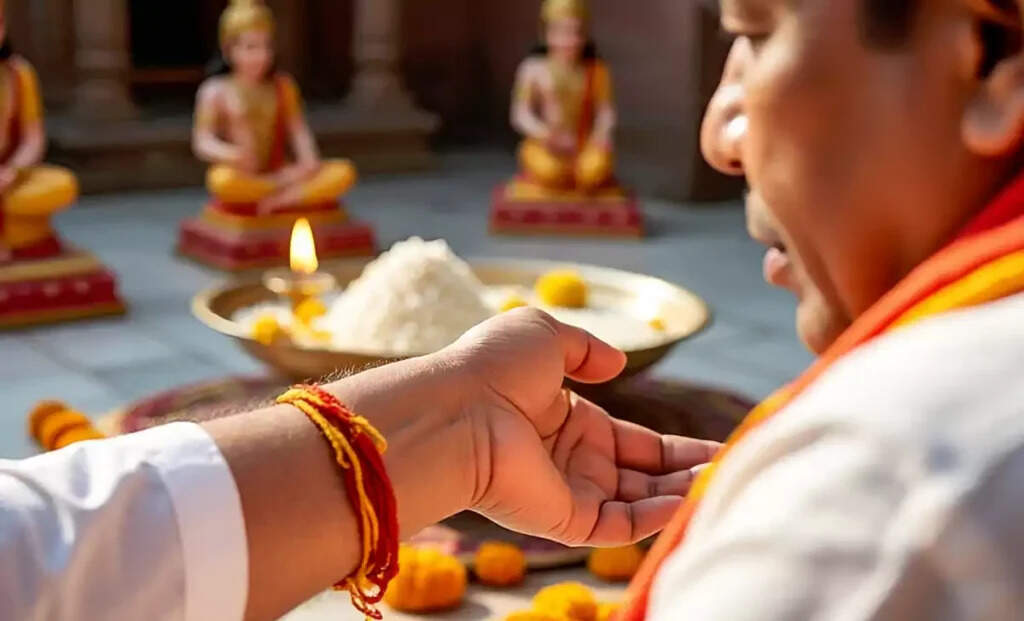
In Hindu customs, the practice of tying a Kalava or a sacred thread on the wrist is common during prayers or auspicious events. This act of tying a protective thread is rooted in Vedic traditions, with its origins tracing back to rituals performed during Yajnas. The significance of Kalava as a protective thread is well-documented in ancient texts. According to mythology, Lord Vamana tied this protective thread on the wrist of the demon king Bali to grant him immortality, which is also associated with the festival of Raksha Bandhan.
Duration for Wearing Kalava
Many individuals often forget to remove the Kalava after tying it, leading to it remaining on the wrist for extended periods. This prolonged wear can diminish its spiritual energy. Scriptures suggest that Kalava should ideally be worn for a maximum of 21 days, as it typically begins to fade in color after this duration. It is advised not to wear a Kalava that has lost its color.
Religious Significance of Kalava
The red Kalava worn on the wrist symbolizes the power of Goddess Durga and Lord Hanuman. It is believed that wearing a red Kalava helps maintain positive energy within an individual and attracts auspicious outcomes.
Effective Remedies Associated with Kalava
According to Hindu beliefs, tying Kalava around sacred plants like Tulsi, Banana, Shami, and Amla with devotion can help resolve life’s challenges and fulfill wishes, leading to prosperity and good fortune.
When to Change Kalava
Hindu traditions specify auspicious days for changing Kalava, recommending that it should be replaced on Tuesdays or Saturdays. However, it can be worn during any religious ceremony.
Kalava Considered Inauspicious
Kalava Considered Inauspicious:
Wearing a Kalava that has faded in color is deemed inauspicious. It is advisable to remove it after 21 days and replace it during an auspicious moment. Additionally, it is said that when a Kalava is removed, it takes away the surrounding negativity. Therefore, it should not be reused. Disposing of the removed Kalava in a flowing river is considered a good practice.