
Understanding the Safety Mechanisms of Indian Railways

Introduction to Railway Safety Systems
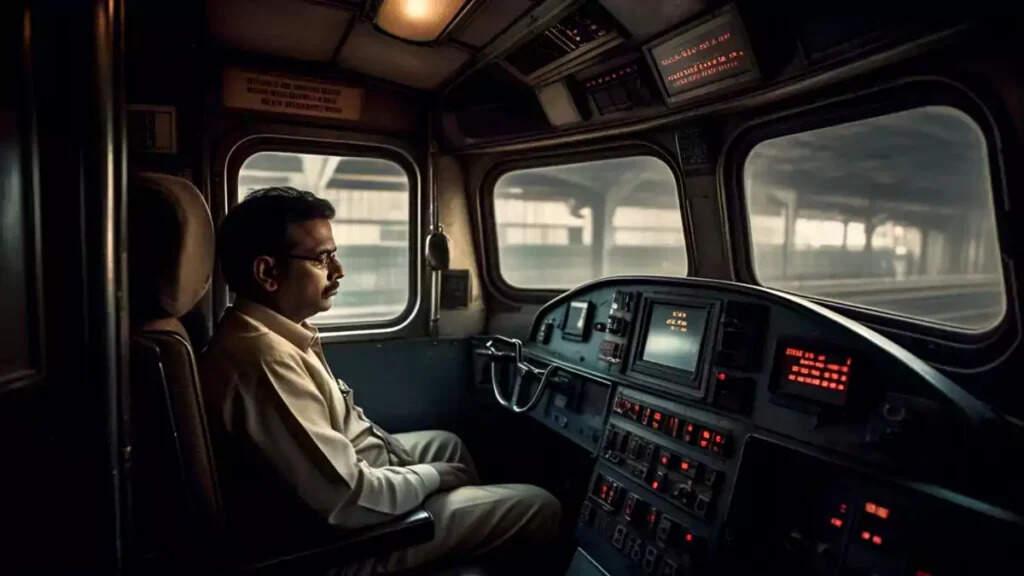
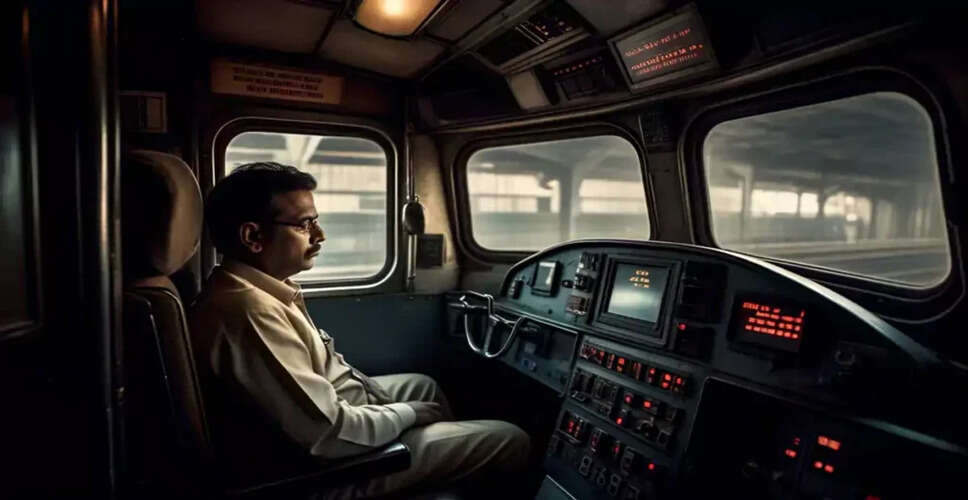
Road accidents are a common concern, often caused by various factors such as driver fatigue, distractions like mobile phone use, or neglecting traffic rules. However, today we will focus on the safety systems in place within the railway sector. The Indian Railways boasts the fourth-largest rail network globally and the second-largest in Asia, with each train being controlled by a single engine operator known as the loco pilot.
The Role of Assistant Drivers
It's well-known that trains carry numerous passengers, and if the driver were to fall asleep, it could lead to a catastrophic incident. To mitigate this risk, each train is equipped with an assistant driver. If the primary driver dozes off or encounters any issues, the assistant is responsible for waking them up. In the event of a serious problem, the situation can be reported at the next station, allowing for a replacement driver to take over.
Safety Protocols in Place
Interestingly, even if both drivers were to fall asleep, there is no need for alarm. While the likelihood of this happening is low, the railway has implemented a vigilance control device in the train's engine. This device monitors the driver's responsiveness; if there is no reaction for one minute, an audio-visual alert is triggered within 17 seconds. The driver must acknowledge this alert by pressing a button. If there is no response, the automatic brakes will engage after another 17 seconds.
Continuous Monitoring by Railway Staff
Train operators must frequently adjust speed and sound the horn while driving. Although they remain vigilant during their duty, if they fail to respond for a minute, the railway sends an audio-visual alert. Should the driver not react, the train will come to a halt after traveling one kilometer. At this point, other railway personnel on board will take note of the situation, helping to prevent major accidents caused by railway operations. Now you have a clearer understanding of how these systems function and how they help avert potential road accidents.