
Understanding the Logic Behind Fuel Amounts at Petrol Pumps
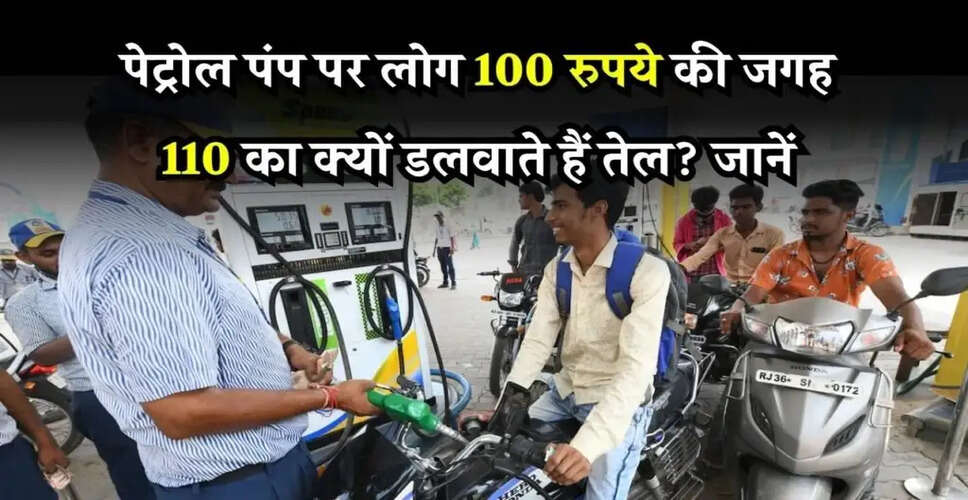

Why Do People Choose Specific Amounts Like 110 or 510?
Have you ever noticed that many individuals opt to fill their vehicles with fuel amounts like 110, 210, or 510 rupees instead of the more common 100, 200, or 500? This peculiar choice often raises questions. Let's explore the reasoning behind this behavior.

The Significance of Filling 110, 210, or 510 Rupees
When visiting a petrol station, customers often request fuel in amounts like 100, 200, or 500 rupees. The attendant simply presses a button to dispense the fuel, as these amounts are pre-set in the machine for efficiency. This process saves time and streamlines operations.
However, some individuals harbor suspicions that pre-set amounts might lead to overcharging or machine errors. They believe that opting for a slightly higher amount, such as 110 instead of 100, could help them avoid potential scams.
Best Practices for Refueling
Every petrol station utilizes specialized software that converts the amount of fuel dispensed into monetary values. The price per liter is already programmed into the machine, ensuring that customers receive the correct amount of fuel based on their request. To avoid any discrepancies, it is advisable to request fuel by the liter rather than by the rupee amount.