
Understanding the Indelible Ink Used in Indian Elections
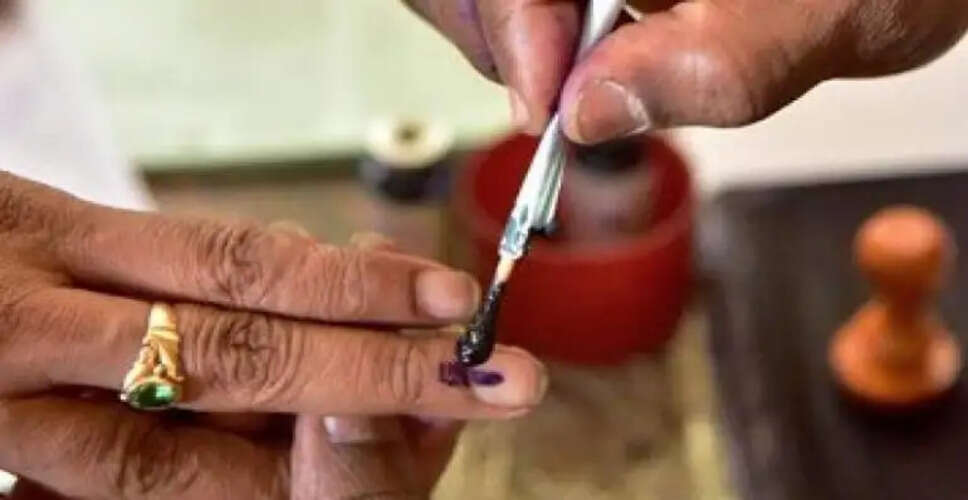
Current Election Atmosphere in India
India is currently experiencing an election season, with assembly elections taking place in five states. Voting has already occurred in some areas, while it is still pending in others. When voters arrive at polling booths, a blue ink mark is applied to their fingers. This ink is designed to last for an extended period, preventing individuals from voting multiple times.
Why the Voting Ink Doesn't Easily Wash Off
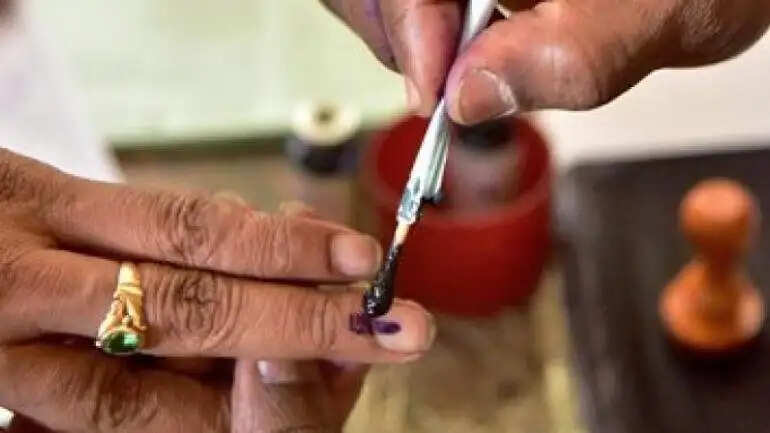
Recently, a question has emerged on social media regarding why the ink applied during voting does not wash off easily. What is it about this ink that allows it to remain on the finger for so long before fading away? Here, we explore some fascinating facts about this voting ink.
Exclusive Manufacturer of Voting Ink
In India, only one company is authorized to produce the ink used in elections: Mysore Paints and Varnish Limited. This company does not sell the voting ink in retail; it is exclusively available for purchase by the government or election-related agencies. Mysore Paints and Varnish Limited is the sole supplier of this ink across the country.
Since 1962, the company has held a special license granted by the National Research Development Corporation. This year, the Election Commission of India signed a contract with the company for ink supply, with assistance from the Ministry of Law and the National Physical Laboratory. The company also supplies election ink to other countries.
Why Voting Ink Doesn't Fade Quickly
The blue voting ink is formulated using silver nitrate. When this ink comes into contact with the salts present in the body, it forms silver chloride. This compound remains attached to the skin, and when exposed to water, the ink changes from blue to black. As a result, it does not wash off easily.
It typically takes at least 72 hours for the ink to fade. During this time, skin cells naturally shed, causing the ink to gradually disappear. This ink is also referred to as election ink or indelible ink. The practice of applying ink during elections was not initially mandated in India; however, it was introduced in the 1962 elections to prevent re-voting.