
Understanding the Impact of High Cholesterol on Health

The Health Risks Associated with High Cholesterol
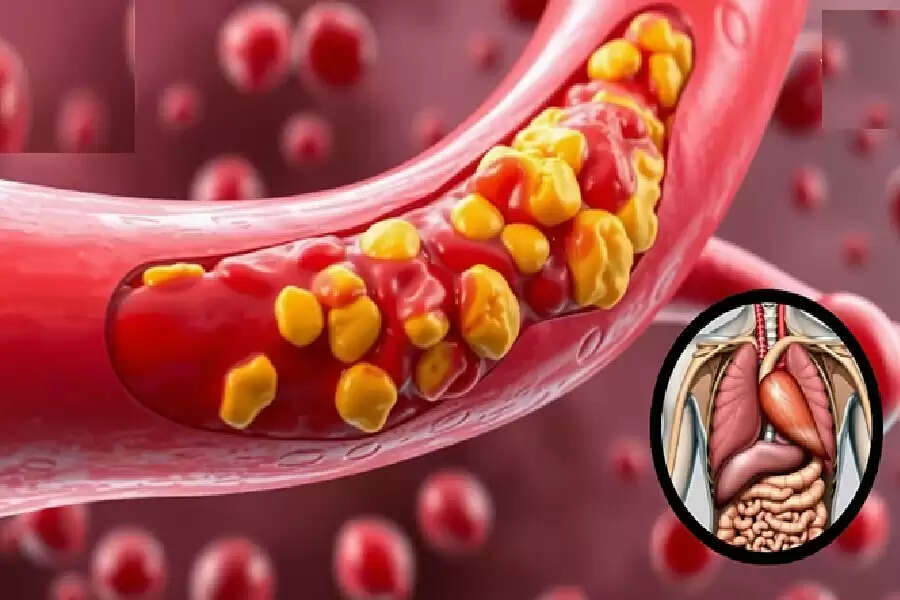
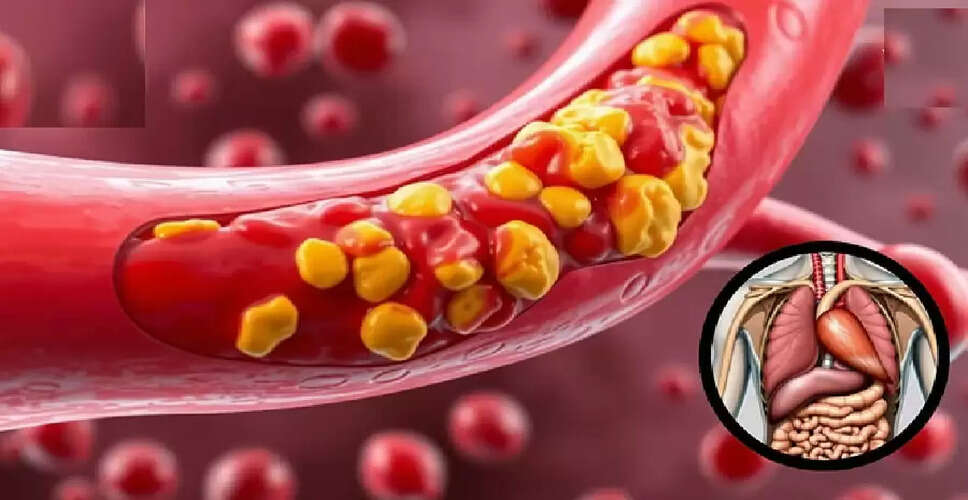
In today's fast-paced lifestyle, various health issues have emerged, with high cholesterol being a significant concern. Elevated levels of LDL (bad cholesterol) and triglycerides can lead to fat accumulation in the body, obstructing blood flow. This can result in serious conditions such as heart attacks, strokes, and leg pain due to inadequate blood circulation in the arteries.
For individuals suffering from diabetes and high blood pressure, managing cholesterol levels becomes even more critical. A balanced diet, regular exercise, avoiding smoking, and consulting healthcare professionals are essential strategies. Let's delve deeper into how rising cholesterol levels can affect our bodies.
Cholesterol and Heart Disease
High LDL levels can harden the fat deposits in the heart's blood vessels, slowing down blood flow. Consequently, the heart may not receive enough oxygen-rich blood, leading to chest pain or an increased risk of heart attacks.
Cholesterol and Stroke
Cholesterol can accumulate not only in the heart but also in the blood vessels leading to the brain. If blood flow to the brain is completely blocked, the risk of a stroke significantly increases.
Vascular Disease
High cholesterol can obstruct blood vessels in the legs, causing pain or fatigue while walking. These symptoms can resemble angina in the legs, making mobility challenging.
Cholesterol and Diabetes
Individuals with diabetes often experience imbalanced cholesterol levels, characterized by high LDL and low HDL levels, which can also elevate triglycerides. Additionally, in diabetes, sugar-coated cholesterol tends to adhere quickly to blood vessels, forming plaques that increase health risks.
Cholesterol and Erectile Function
Elevated cholesterol levels can also affect the blood vessels in men’s genitalia, hindering blood flow during sexual activity and increasing the risk of erectile dysfunction.