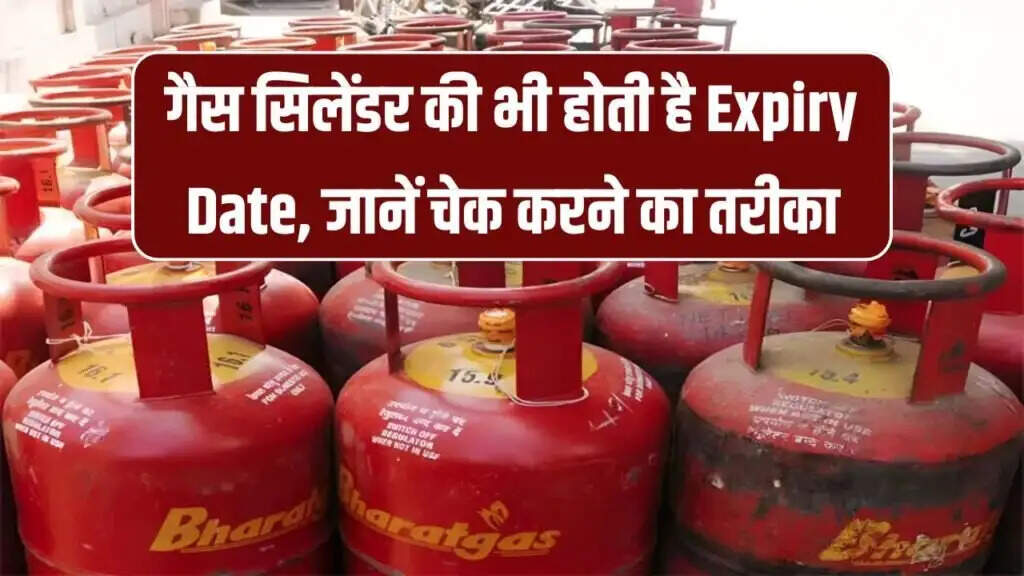
Understanding the Expiry Date of Gas Cylinders: A Must-Know for Every Household
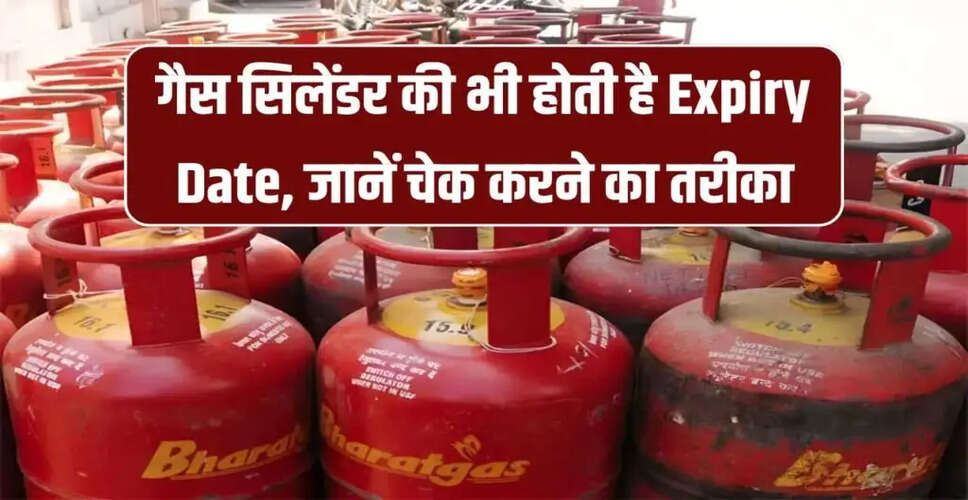

The Importance of Gas Cylinder Expiry Dates
Gas cylinders are a common fixture in households today. However, many people are unaware that these cylinders also have an expiry date. It's crucial to check the expiry date whenever you purchase a new cylinder. Using an expired cylinder can pose serious safety risks.
Why is the Expiry Date Important?
Gas is stored in cylinders under high pressure, and over time, the metal can weaken, increasing the risk of gas leaks or explosions. To mitigate these dangers, regulations have been established that mandate an expiry date for each cylinder. If you find that your cylinder is past its expiry date, return it immediately or report it to your gas agency's customer service.
How to Check the Expiry Date
When you receive a gas cylinder, it contains a specific code that indicates its expiry date. This code is located on the top part of the cylinder and consists of a letter (A, B, C, or D) followed by two digits.
Understanding the Codes
Each cylinder features a letter that signifies the month in which it was tested, with a three-month period associated with each letter. The meanings are as follows:
- A indicates testing between January and March.
- B indicates testing between April and June.
- C indicates testing between July and September.
- D indicates testing between October and December.
Following the letter, there will be a number, such as 23, 25, or 28, where 23 represents the year 2023, and 25 represents 2025.
For example: If your cylinder has C-25 printed on it, this means it will expire between July and September 2025.
Visual Reference