
Understanding the Elite Counter Assault Teams: Roles, Recruitment, and Training

Introduction to Counter Assault Teams
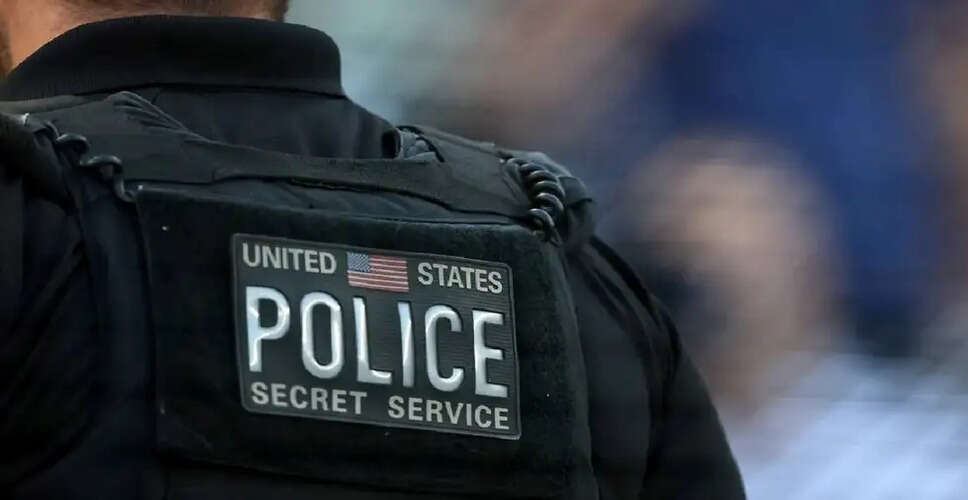
In recent years, the term 'CAT Force' has frequently emerged in discussions surrounding high-profile security and anti-terror operations. However, it is crucial to note that 'CAT' does not refer to a single official force; rather, it is commonly used to describe specialized security units like the Counter Assault Team. For instance, in the United States, specialized teams operating under the Secret Service are highly trained commandos tasked with providing VIP protection and responding to immediate threats.
Who Are the Members of CAT?
Members of the Counter Assault Team (CAT) typically consist of highly experienced and selected personnel from a country's security agencies, military, or police forces. These individuals are not only skilled in weapon handling but also possess the ability to make quick decisions and complete missions under life-threatening circumstances.
How Are Members Recruited?
Recruitment for units like CAT does not occur directly from the general public. Candidates must first be part of a security force—such as the military, special police units, or federal agencies. Following this, the selection process includes:
- Record and Experience: Candidates must have an exemplary service record.
- Physical Fitness: High levels of fitness, endurance, and agility are essential.
- Mental Resilience: The ability to remain calm and make decisions under stress is crucial.
- Background Check: A thorough security screening and reliability assessment are conducted.
Only after successfully passing through these stages can an officer be selected for a specialized unit like CAT.
The Rigorous Training Process
Training for CAT commandos is considered among the toughest in the world. It includes:
- Close Quarters Battle (CQB): Engaging the enemy at very close range.
- Advanced Weapon Training: Proficient use of cutting-edge weaponry.
- Driving and Escort Skills: Ensuring the safety of VIP convoys.
- Real-Life Simulations: Practicing responses to sudden attacks, hostage situations, and crowd control.
- Team Coordination: Each member must synchronize with others within seconds.
The training is so demanding that many candidates drop out along the way.
Responsibilities of CAT Teams
The primary responsibility of a CAT team is to respond immediately to any attack situation. If a VIP is under threat, these commandos spring into action within seconds to neutralize the danger. Their objectives include stopping the threat, ensuring the VIP's safety, and incapacitating the attacker.
Why Are They Feared by Adversaries?
The greatest strengths of units like CAT are their speed, precision, and confidentiality. These teams act without wasting time, often leaving adversaries with no opportunity to react. This is why the mere mention of their name instills fear in attackers.
Conclusion
Joining the CAT force is no easy feat. It requires years of service, hard work, mental fortitude, and exceptional skills. This is why such units are regarded as some of the most reliable and effective security forces globally.