
Understanding the Death Penalty Process in India
India's Legal Framework on Death Penalty
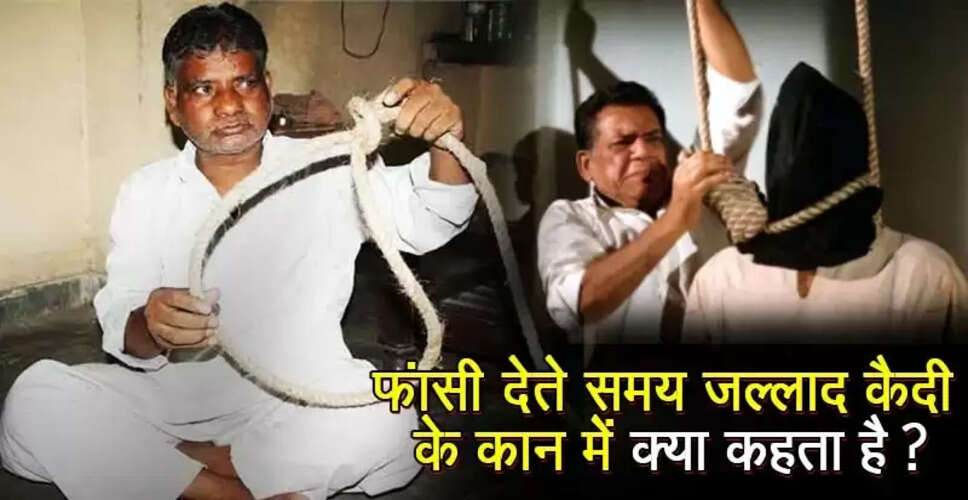
For centuries, India has been recognized as a significant nation, characterized by its comprehensive legal system that defines the identity of any sovereign state. Every citizen is expected to adhere to the laws and regulations of the country, which is considered a fundamental duty. Violating these laws can lead to severe consequences as stipulated by the legal framework. While our lives are governed by rules, it is crucial to understand that when a heinous crime is committed, the law also follows specific protocols for administering punishment. In cases of murder, the penalty can be capital punishment, commonly known as the death penalty. However, did you know that the Indian government has established particular rules and regulations regarding the execution process?
The Execution Process
Indeed, this is true. There are specific guidelines that govern the execution process, including the noose, timing, and method of execution. When a convict is sentenced to death in India, the executioner whispers something into the convict's ear before carrying out the sentence. This may sound strange, but it is a reality. You might be wondering what the executioner says to the condemned individual and why. Let's delve into this.
What the Executioner Says
Just moments before the execution, the executioner asks for forgiveness, saying, 'Please forgive me, brother; I am compelled to do this.' If the condemned is Hindu, the executioner greets them with 'Ram Ram,' while for a Muslim, the final greeting is 'Salam.' The executioner also explains, 'I am merely following the orders of the government, and I have no choice in this matter.' After this brief exchange, the noose is tightened.
The Limited Number of Executioners
Surprisingly, India has only two executioners responsible for carrying out death sentences. They receive a salary from the government for their services. It takes considerable courage to take a life, and the government compensates these executioners with ₹3,000 for executing a common criminal. However, this amount increases for terrorists, with the executioner who carried out the death sentence for Indira Gandhi's assassins receiving ₹25,000.
Where the Nooses Are Made
In India, all nooses for death sentences are crafted in the Buxar jail in Bihar, where the artisans are reputed for their skill in making them. There are specific standards regarding the thickness of the noose, which must not exceed one and a half inches. Interestingly, the cost of producing these nooses is kept quite low; a decade ago, a noose was provided to the jail administration for just ₹182.