
Understanding the Chilling Science Behind Operating Room Temperatures
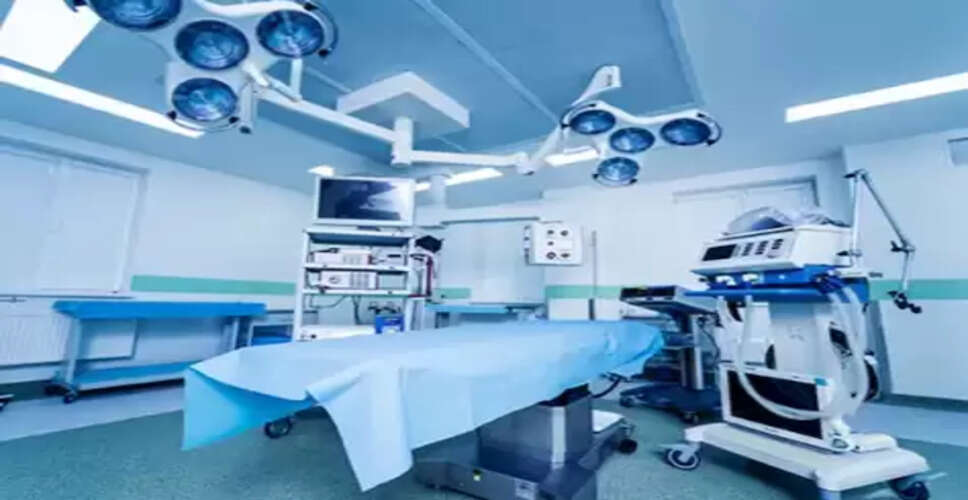

The Purpose of Cold in the Operating Room
Incredible Insights: Operating rooms are kept at low temperatures to prevent doctors from sweating, reduce the risk of infection, and ensure machines function properly. To protect patients from the cold, additional warming measures are implemented. As a patient steps into the operating theater, the first sensation they encounter is the chilling cold, regardless of the sweltering heat outside. Many wonder why such a low temperature is maintained. Is it to eliminate bacteria or to provide comfort for the surgeons? Does the cold cause the surgeons' hands to tremble? Understanding the logic behind this 'chilling' science is fascinating, as it relates not only to comfort but also to patient safety and surgical success.
A single drop of sweat can pose a lethal risk. Most hospitals set the operating room temperature between $18°C$ and $23°C$, with some specialized surgeries dropping it to as low as $16°C$. Humidity levels are also maintained between $20$% and $60$%. The primary reason for this extreme cold is the comfort of the surgeons and medical staff. During operations, doctors wear multiple layers of clothing, including scrubs, sterile gowns, caps, masks, and gloves. The intense surgical lights overhead generate significant heat. Without a cool environment, doctors could sweat, and even a single drop falling onto an open wound or sterile instruments can dramatically increase the risk of infection. Thus, the cold helps keep them dry and mentally focused.
Maintaining Equipment Health and Controlling Bacteria. Inside the operating room, not only humans are present, but also numerous high-tech machines. Laparoscopic systems, monitors, and electrosurgical units generate considerable heat during operation. If the environment is not kept cool, these sensitive machines can overheat or provide inaccurate readings. Additionally, there is a common belief that cold temperatures kill bacteria. While cold does not completely eliminate bacteria, it significantly slows their growth. In warm and humid conditions, germs thrive rapidly, whereas a cold and dry environment acts as an extra layer of protection against infection.
The Reality of Cold for Surgeons and Patient Safety. Many fear that the cold might cause surgeons' hands to shake, jeopardizing the surgery, but this is not the case. Years of rigorous training allow surgeons to gain remarkable control over their hand muscles. They utilize arm rests and specific positions to keep their hands steady. Interestingly, this cold can sometimes be challenging for patients. Extremely low temperatures can weaken a patient's immune system or slow blood flow. Therefore, while doctors work in the cold, measures such as warm blankets, forced air warmers, and heated fluids are provided to keep patients safe. This means a balance of cold for the doctors and warmth for the patients is maintained in the same room.