
Understanding the Authenticity of the ₹10 Coin: Tips and Guidelines
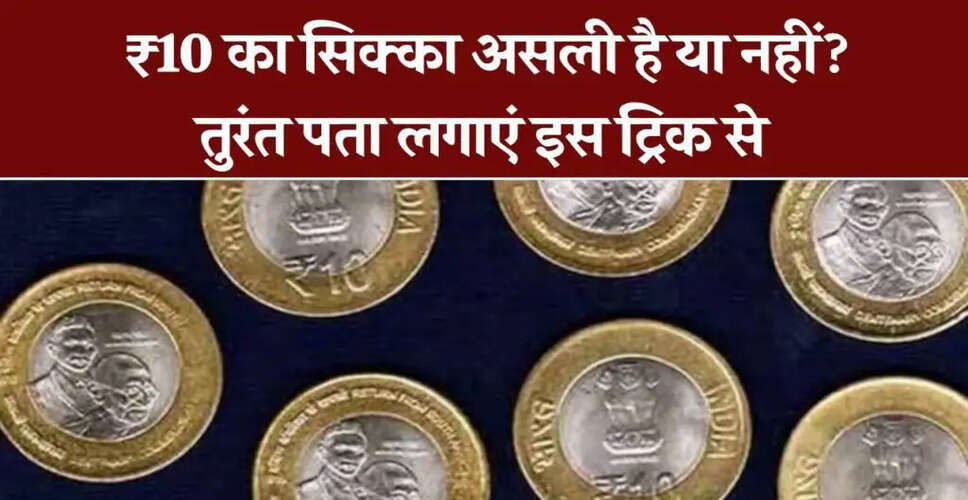

The Importance of the ₹10 Coin
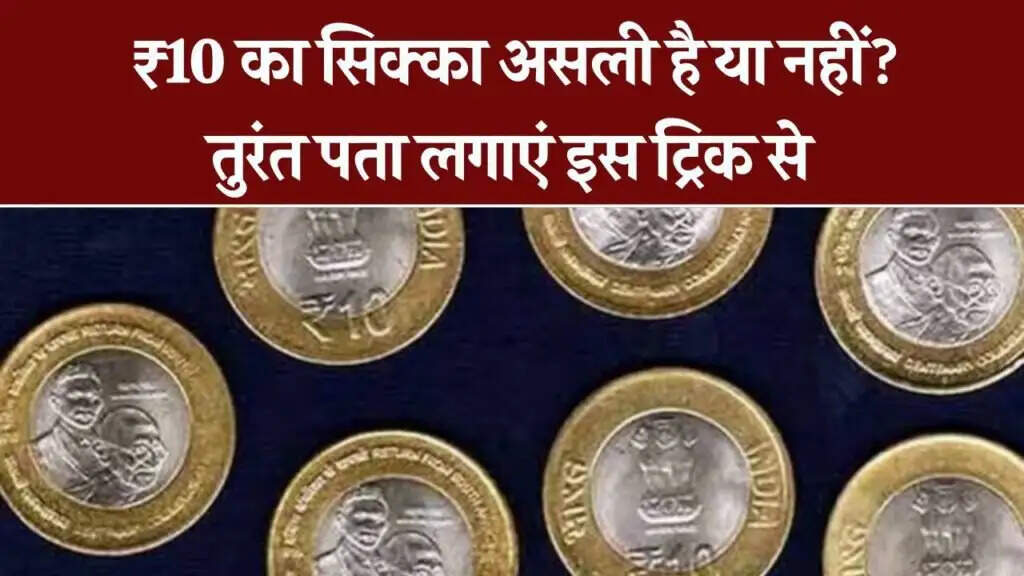
The ₹10 coin plays a crucial role in India's currency system today, yet its 14 distinct designs have led to confusion among the public. It is common to see shopkeepers or customers refusing to accept certain designs, raising questions about which coins are genuine and which are counterfeit.
Changes in Design by the RBI
The Reserve Bank of India (RBI) has periodically updated the design of the ₹10 coin. These modifications were made for technical, aesthetic, or symbolic reasons, aimed at enhancing the coins' reliability and durability. However, these changes have resulted in widespread confusion among the general populace.
Guidelines from the RBI
In a press release from 2017, the RBI clarified that all 14 different designs of the ₹10 coin are in circulation and are completely authentic and valid. The RBI urged the public not to refuse any design of the ₹10 coin, as all are legitimate and can be used as legal tender.
Identifying the ₹10 Coin: Structure and Tips
The ₹10 coin is bi-metallic, composed of two different metals. The outer part is made of brass, while the inner section is nickel, giving it a distinct two-tone appearance. While identifying counterfeit coins can be challenging, there are subtle indicators to help distinguish them.
When struck against a hard surface, a genuine coin produces a clear metallic sound, whereas a fake coin emits a dull or hollow sound. Additionally, the weight of an authentic coin adheres to standard specifications—not too heavy or too light. Counterfeit coins may also differ in size or color, aiding in their identification.
How to Verify New Designs
Although the RBI recognized 14 designs in 2017, this information may now be outdated. To verify whether a new design is authentic, you can call the RBI helpline.
Dial the toll-free number 14440. The call will automatically disconnect, and you will receive detailed information through an IVR call shortly after. This is an effective and straightforward method to ascertain the authenticity of any new or old coin design.